
Story and Photos by Carol Vogel
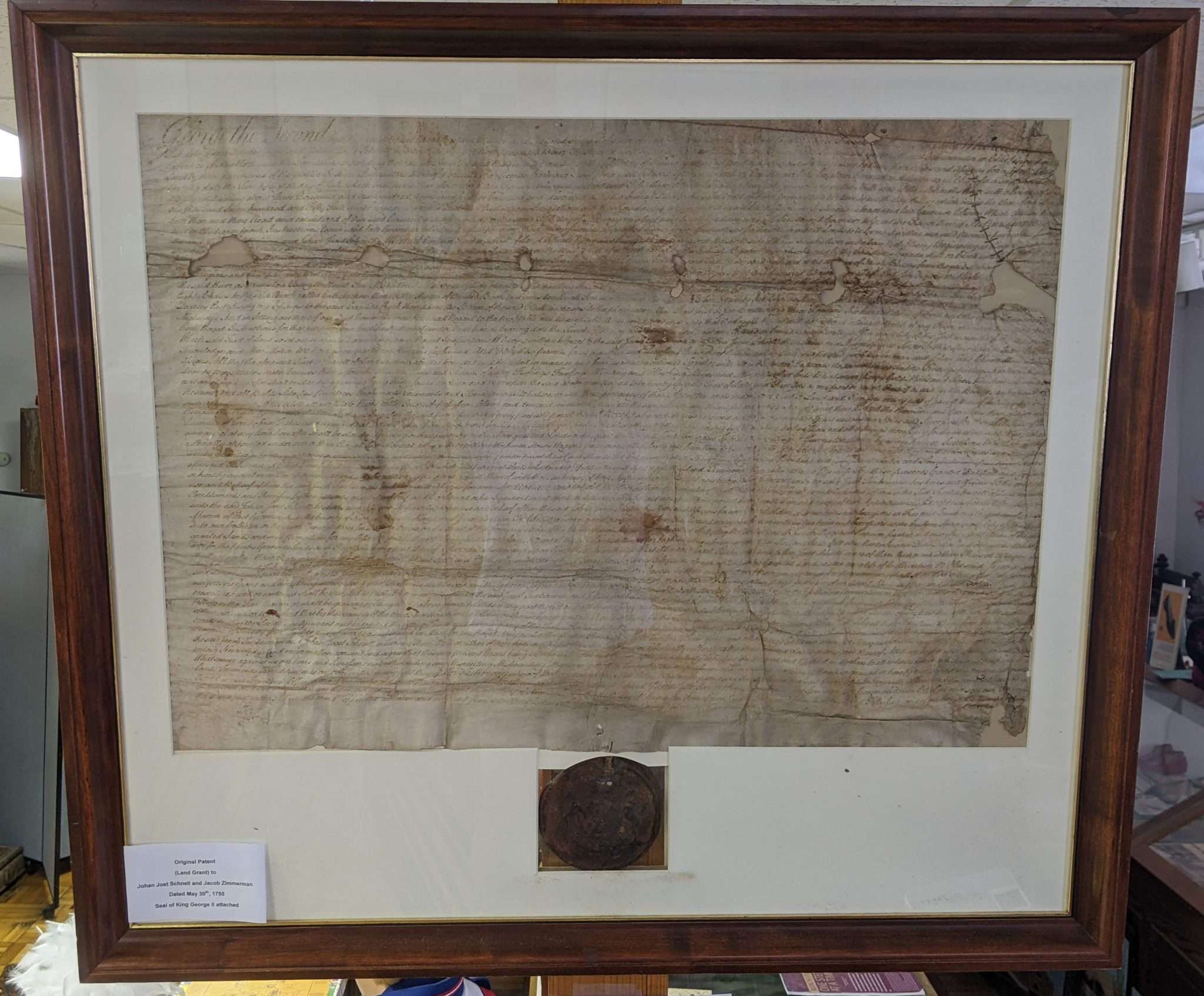
Housed in a protective glass frame, a deed written on animal hide is an important local historical land document. The Snell-Zimmerman Land Patent is now on display at the Dolgeville-Manheim Historical Society Museum. Written in 1734 and involving settlers from Germany, local Indigenous people, and the English government, this document weaves a story of historical significance and understanding. While it is a complex and fascinating story that spans many years, this short overview will give you a glimpse into the first European settlers of the Mohawk Valley.
Settling the Mohawk Valley
The Snell-Zimmerman Land Patent is a lesson in land acquisition and the importance of historic preservation. Beginning in 1710, many settlers from Germany (known as the Palatines) came to America due to wars and famine. The Palatines played an important part in the history of our area, the state, and our country. In late 1712, the British Government left them to fend for themselves, but with the help of the Indigenous Mohawk Indians who they had befriended, they settled around the Hudson River, and eventually, a group headed north to Schoharie. Upon finding out that they did not own the land they were settled on, they were told to rent or leave. Migrating north, a settler named Johan Jacob Zimmerman II and others settled in the Mohawk Valley. By 1720, they were given permission by the British Crown to purchase land from the Mohawk Nation.
Anna and the Land Deed
In 1734, Johann Jacob Zimmerman II’s wife, Anna Margarehta, was gifted a land deed from the Mohawk Nation as she was a friend of the local Clans. In the deed, Anna Margarehta is referenced as “…our beloved friend Anna Marragrieta…”
You may find it interesting that a woman was given land at that time, but the Mohawk are a matriarchal society. Women were held in high regard and made many important decisions, such as overseeing land transactions. Land was owned by the leading woman of the matrilineage, providing tribal control – not as her own personal property.
As a matriarchal society, Mohawk Clan Mothers named of all those in the Clan and chose the male candidate for Chief. The Clan must approve her choice, but she can remove the chief if he fails in his duties.
The Mohawk Clan leaders signed the document. Mohawk society consists of three matrilineal Clans named after animals: Bear, Wolf, and Turtle. These Clan symbols appear on the deed; however, they are upside down, symbolizing the land was given as a gift and the Mohawk will never ask for the land to be returned to them.
The Long Road to a Land Patent
Land grants and patents were detailed and difficult processes in those days. A book entitled “The Eighteenth Century of the Zimmerman Family of the Mohawk Valley” by David Kendall Martin reads:
“At this time, it was required that anyone who wished a land grant first had to be licensed to purchase the land in the name of the British sovereign from the Indian owners. Once this had been done, he could then petition to purchase the land in his own name form his colonial government which petition- if granted- allowed him to buy the land from the Indians and have his purchase confirmed by a patent from the colony of New York. The complicated procedure had many steps and each step no doubt had its fees…”
Many years later, in 1752, Anna Margaretha’s son Jacob III was told the deed was invalid as the English government did not accept a land patent written in Dutch, the main language used in the area. Jacob III and John Jost Snell decided to combine efforts and, in 1755, had the patent translated to English and applied to King George to purchase the land in the original deed as well as additional parcels. Finally, in 1755, consisting of 3600 acres and located from the north of the Mohawk River to the west of the East Canada Creek across from General Nicholas Herkimer’s home, the land was theirs.
History Lost… and Found Again
During these tumultuous years of the American Revolution, the land patent was hidden for safekeeping in a hollowed tree as homes were being burned during raids and fighting. Over years of moving and being handed down through generations, the patent was lost many times. Local families had papers mentioning the land patent, but no one knew where the original document was. Located in Wisconsin in the 1930s, hanging on a wall in the home of a descendant, it was lost yet again. Finally in 1983, while cleaning out his father’s attic in Canada, Orin Snell found the original patent.
Orin contacted members of the Snell-Zimmerman-Timmerman Reunion board, a local genealogical and family reunion group that preserves the history of these early settlers of our area. Since the patent was in poor shape, they had it sent to the Cooperstown Historical Society for restoration. The document was then kept on loan at the Little Falls Historical Society. Each year at the Annual Snell-Zimmerman-Timmerman Reunion, the patent would be on display for members to view. Recently the board has loaned it to the Dolgeville-Manheim Historical Society Museum, where it is now proudly displayed.
About the Snell-Zimmerman-Timmerman Descendants
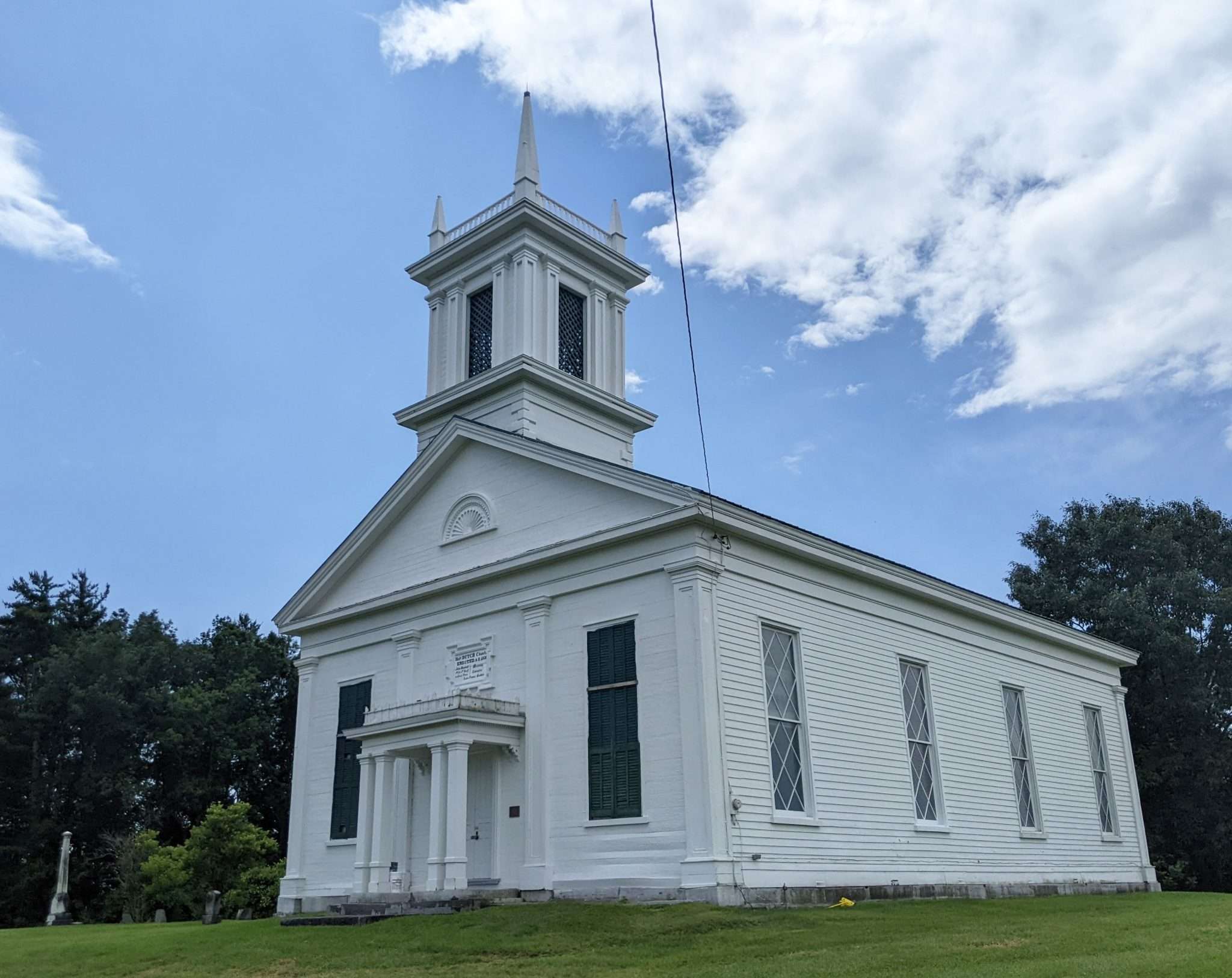
According to their website, the Snell-Zimmerman-Timmerman Reunion, Inc., is a Membership Corporation under the Laws of the State of New York, incorporated on October 5, 1943. Their mission is to care for the historic Snell’s Bush Cemetery and lower Snell’s Bush Manheim Rural Cemetery, as well as the preservation of the historic Snell’s Bush Church.
Membership was established by the original bylaws (1942): “First, all descendants of the Snell, Zimmerman, Timmerman ancestors, by virtue of their ancestry, are corporate members. Secondly, all descendants of ancestors who at any time were affiliated with the Snell’s Bush church or are buried in either of the two cemeteries, manifesting practical interest in the above objectives, shall be associate members. Thirdly, other persons who by gift or deed demonstrate a vital interest in promoting the above objectives shall be associate members.”
As early settlers of the Mohawk Valley, the genealogy runs deep. Many people in the area may be descendants of the Snell-Zimmerman line in some way and might not know it. The group has detailed genealogical information available, so you can see if you are a relative. You may visit their website at http://www.szt-genealogy.org/ if you are interested in finding out more.
The Snell-Zimmerman-Timmerman Reunion board keeps the history of the families alive and hosts a reunion each August, which is open to the public and held at the Snells Bush Church. This year’s reunion luncheon will take place on Sunday, August 27th. An Ice Cream Social is planned for the evening before, on Saturday, August 26th. All are welcome to attend and support the efforts of the reunion board in this beautiful historic location.
Donations to preserve the historical Snells Bush Church and the corresponding cemeteries are welcome and needed. More information can be found on their Facebook page here; https://www.facebook.com/snellsbushchurch/
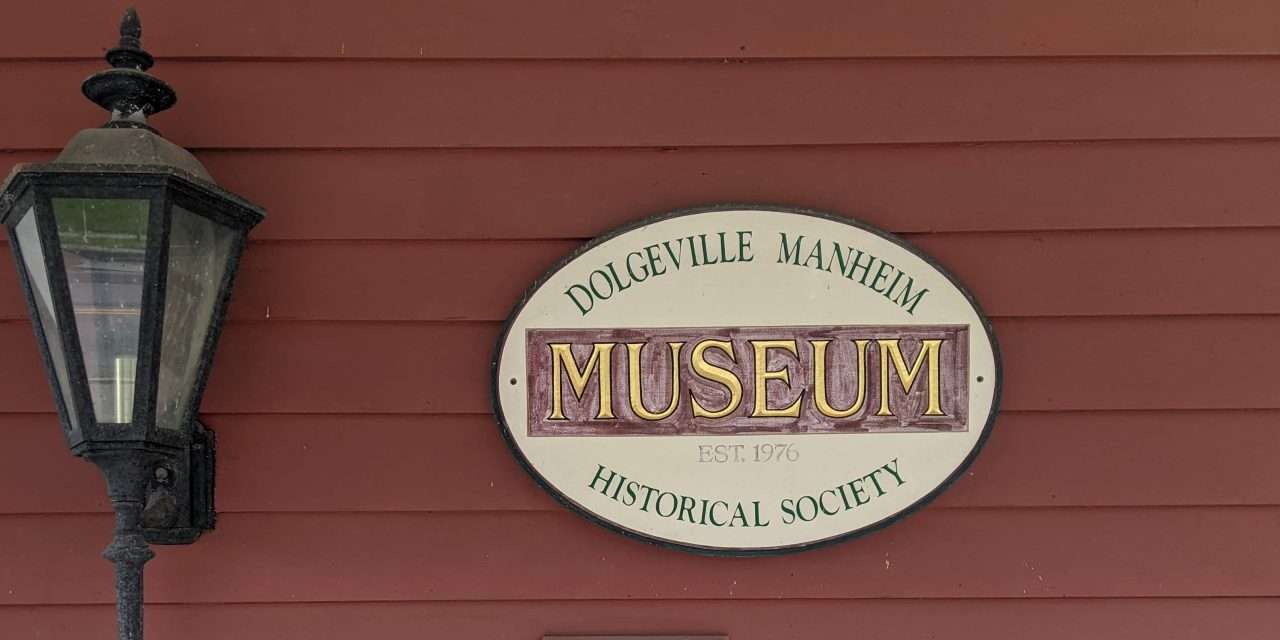
Dolgeville – Manheim Historical Society Museum
Dolgeville Manheim Historical Society
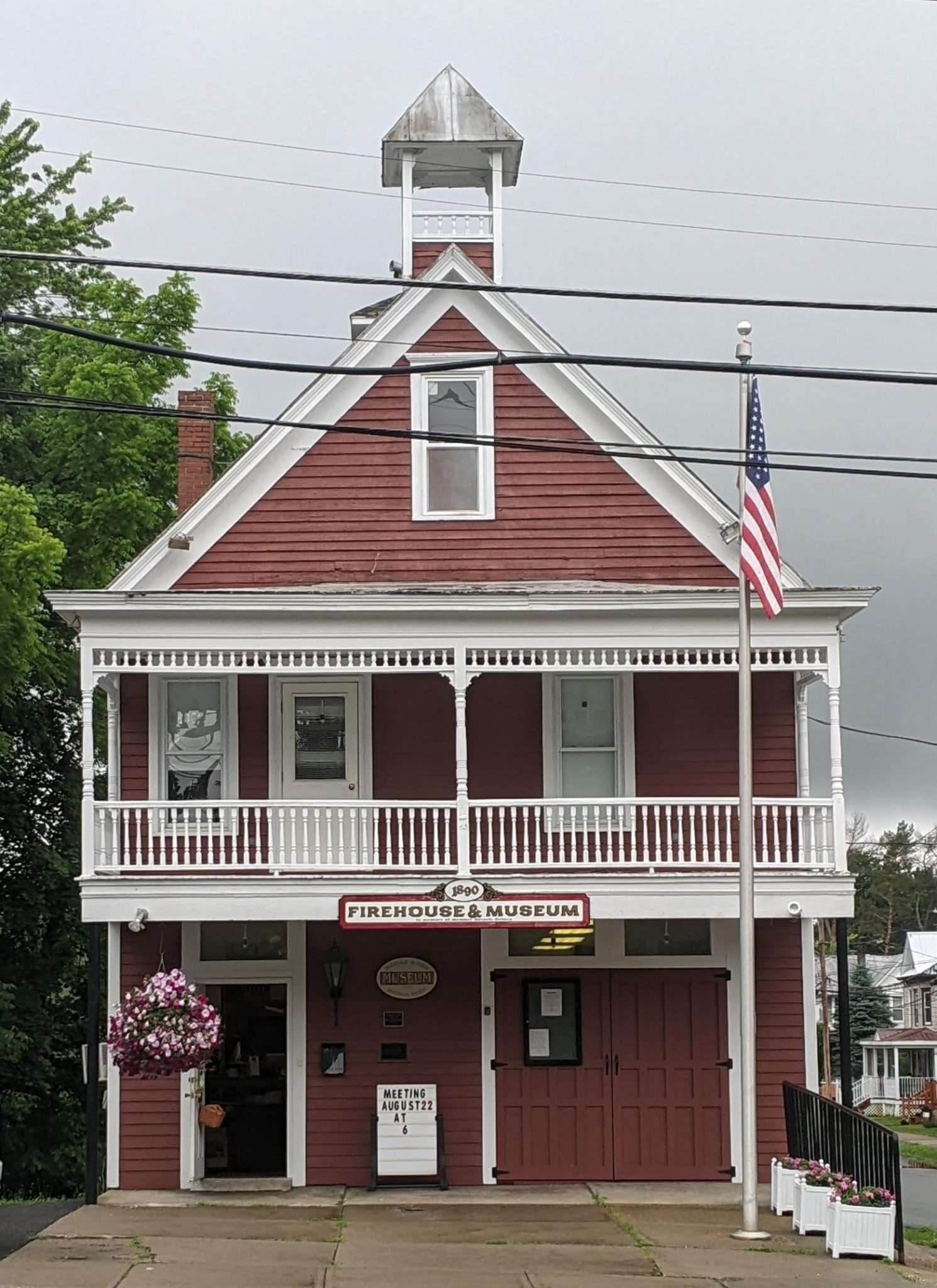
If you want to see the land patent in person, the Dolgeville-Manheim Historical Society is located at Main Street in the former Firehouse. The Museum has a variety of exhibits featuring local history, such as the Daniel Green Shoe Company and Alfred Dolge. They also have installations that cover the Dolgeville schools, as well as a display of Adirondack skis and toboggans, and much more. For information on hours and how to contact them, check out their Facebook page: https://www.facebook.com/DolgevilleManheimHistorical/

A Marketing professional for over 20 years, Carol Vogel is always writing. She enjoys telling stories, from crafting brand strategies and identities to creating social media campaigns, copywriting, and building websites. Carol has also designed and developed course content as an adjunct faculty member at Herkimer College.
Carol was raised in Dolgeville, N Y, the youngest of seven children. Moving away to pursue her education and career strengthened her appreciation of this beautiful area. She is excited to highlight stories from her hometown for the readers of My Little Falls.
Carol loves to entertain. Hosting game nights and outdoor movies allows her to gather people together. She loves making homemade pasta, is obsessed with great food, and when given a choice, she will always choose cake.
Carol lives in Little Falls with her husband, Andy, and their black lab, Gypsy, who likes to take walks very early in the morning.
If you have a story idea or want to reach out, you may contact Carol through her email at carolvogel11@gmail.com.