

Recent graduates from Mohawk Valley Community College Somnang Son along with Craig Sperry work on assembling the left wing of the SuperStol aircraft being assembled at Hansen Island.
by Dave Warner
The former Redco Foods plant on Hansen Island has been pretty quiet since the purchase of the facility in June of 2019. However, things are starting to pick up at the facility because of an agreement between Mohawk Valley Community College (MVCC) and Gyrodyne LLC. It is a collaborative vision between the two groups on how to build a next-level aerospace engineering workforce, that is focused on composite materials.
Those materials appear in everything from cars, to tub and shower surfaces, and sporting goods equipment. Manufacturers of modern aircraft are particularly dependent on composite materials, which offer a unique set of properties that other materials cannot provide. Excellent strength, stiffness, and durability are the key ingredients, and they manage this without adding any significant weight.
Composites also allow the next generation of high-performance, economical aircraft and drone designs to materialize. Usage of these materials reduces fuel consumption, improves efficiency, and reduces direct operating costs for aircraft.
Walter Constantini, Director of Aviation Programs for Mohawk Valley Community College stated, “Part of the curriculum from the FAA touches on what is called non-metallic structures. It requires hands-on work with fiberglass and composites is a secondary section of the fiberglass, but currently, the FAA does not require actual hands-on composite training.”
Goal of this initiative
He said that the goal of the college and this initiative is to enhance the composite component. “On the current project at Hansen, I have one of my part-time MVCC A&P staff (A&P stands for airframe and powerplant, meaning that A&P mechanics are licensed to work on and maintain the external (airframe) and engine (powerplant) parts of an aircraft) leading three recent MVCC A&P school graduates in an aircraft assembly project, building one of Daniel Preston’s kit aircraft that he plans to bring to Oshkosh.”
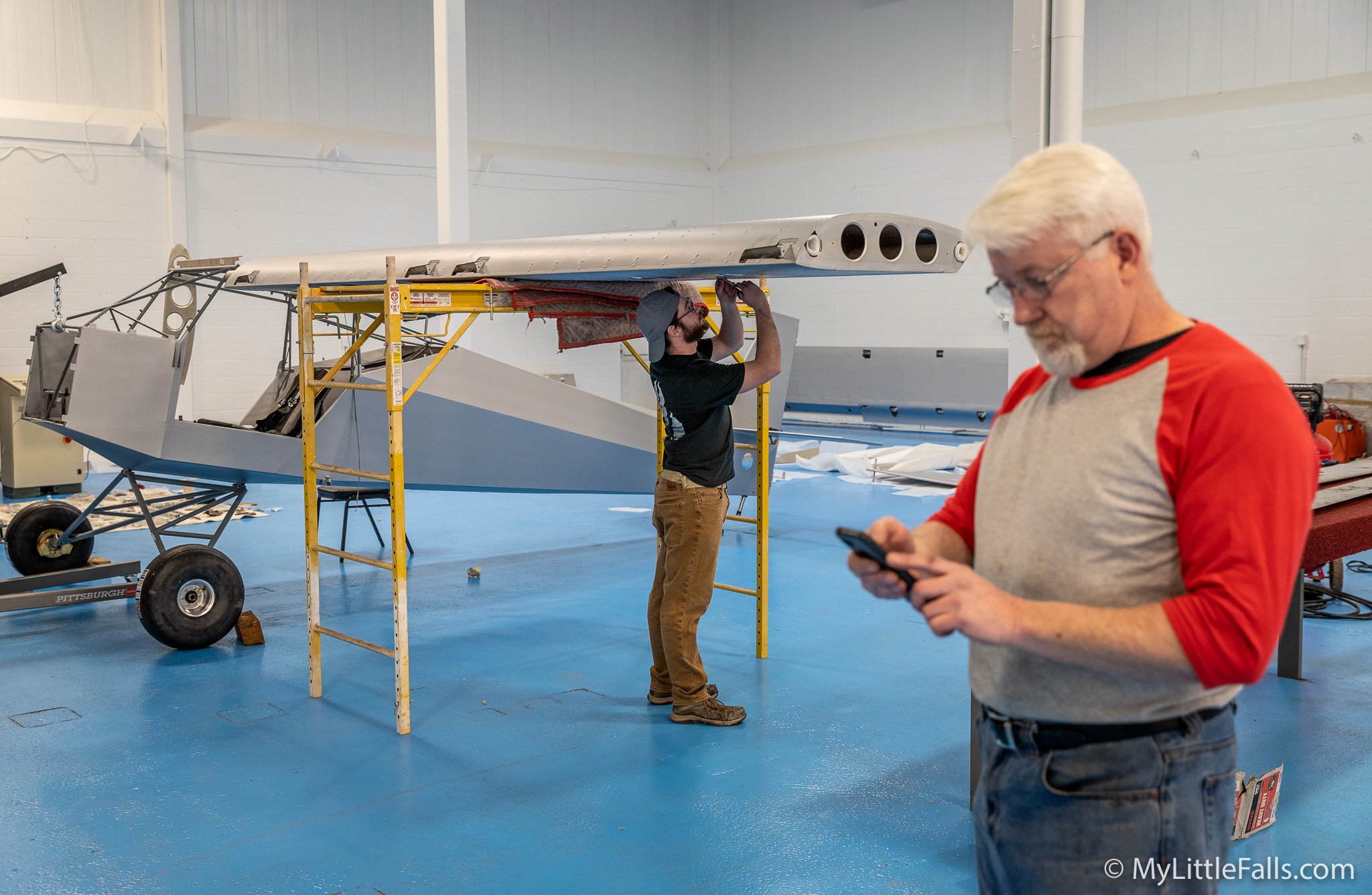
Preston stated, that they are on a pretty aggressive schedule. “We’re getting one SuperStol turbine aircraft ready to fly in the show and then we’re going to have at least one gyrocopter and one helicopter ready for static display. The hope is that one of those helicopters will also be ready to fly for the show.”
William Deppmeyer, a part-time MVCC A&P staff member is leading the construction of the aircraft and he said, “I’ve got the experience in putting aircraft together, so I’m helping the students. They’ve actually already learned and gotten their certificates, now they’re getting practical work for it. I’m just guiding these fine gentlemen.”
Deppmeyer said that they seem to be having fun putting the aircraft together. “It’s always cool to try new things. We have to make things work because when it comes out of the factory, it’s not perfect, so we have to modify things.”
One of the student graduates, Somnang Son said “This is a good experience. Working with something experimental is something you don’t get to do every day. People from MV go to the big companies like Delta, Piedmont, and United, but we’re over here doing something out of the ordinary.”
He said that he thinks it’s pretty interesting. “With the turbine aircraft, we’re probably going to have to create a new fuel tank along with engine mounts and a cowling. We’re not putting a conventional reciprocating engine on it.”
Today’s Curriculum
Part of the problem with today’s curriculum at schools that teach aviation subjects is that a lot of what they teach is outdated. Technology has advanced very quickly and the FAA has been slow to respond to those changes.
For instance, the entire course at MVCC is 1,900 hours, but only 60 hours are set aside for instruction on non-metallic structures. “I can’t go above and beyond that, because there are other subject areas that require the time,” Constantini stated.
However, all of that is about to change, as the FAA is working on a re-write of the regulations that cover this area. Constantini stated, “It’s supposed to give us more flexibility to include subject areas that our local employers need us to teach. So instead of spending a lot of time on radial engines and wood instructions, we can give the students more time on composites.”
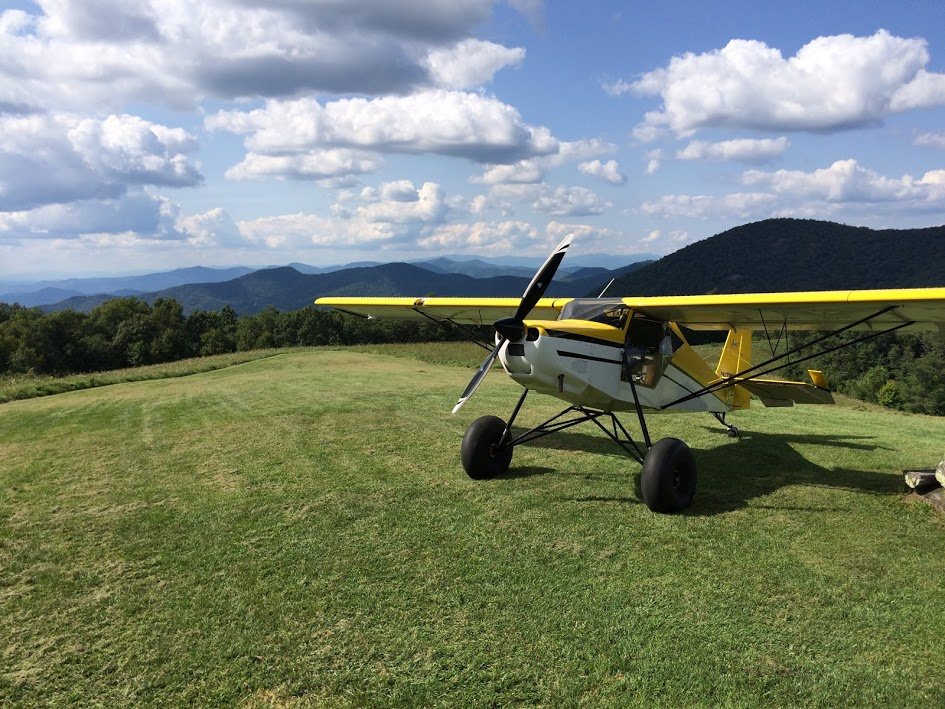
Constantini said that it’s fantastic that students can work on real-world projects. “It gives them a hands-on opportunity to see what working in the real world is like. They’re working on a potentially air-worthy aircraft and what that looks like, and they are learning the attention to detail that they have to have for the project.”
He said that it also gives them an opportunity to see right away that what they learned in their training program applies in the real world. “It’s immediate feedback on what they just learned. It’s an ‘oh wow, this is real’ moment. They taught us this because this is what I have to do. Low and behold, what they said in school, I’m actually doing on a real aircraft right now. It also builds a resume of experience for the students,” he said.
What is Oshkosh?
For one week each summer, EAA members and aviation enthusiasts totaling more than 500,000 from 80 countries attend EAA AirVenture at Wittman Regional Airport in Oshkosh, Wisconsin. It is the world’s greatest aviation celebration, and it has it all when it comes to aircraft. From warbirds, vintage, and homebuilts, to ultralights. Some of these you might find in a hangar at your local airport, others are so unique they are one of their kind. For more information, you can watch the video below, or visit their website at https://www.eaa.org/airventure