
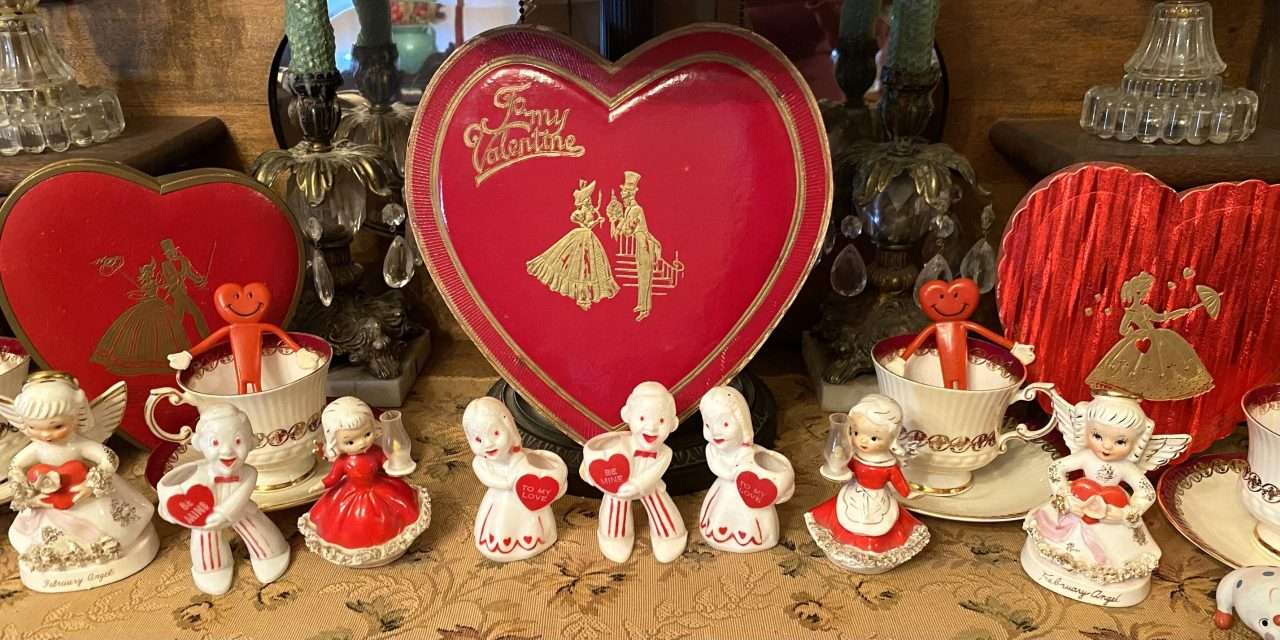
Photo by Denise Gregorka
By Denise Louise Gregorka
I have wonderful memories of celebrating Valentine’s Day.
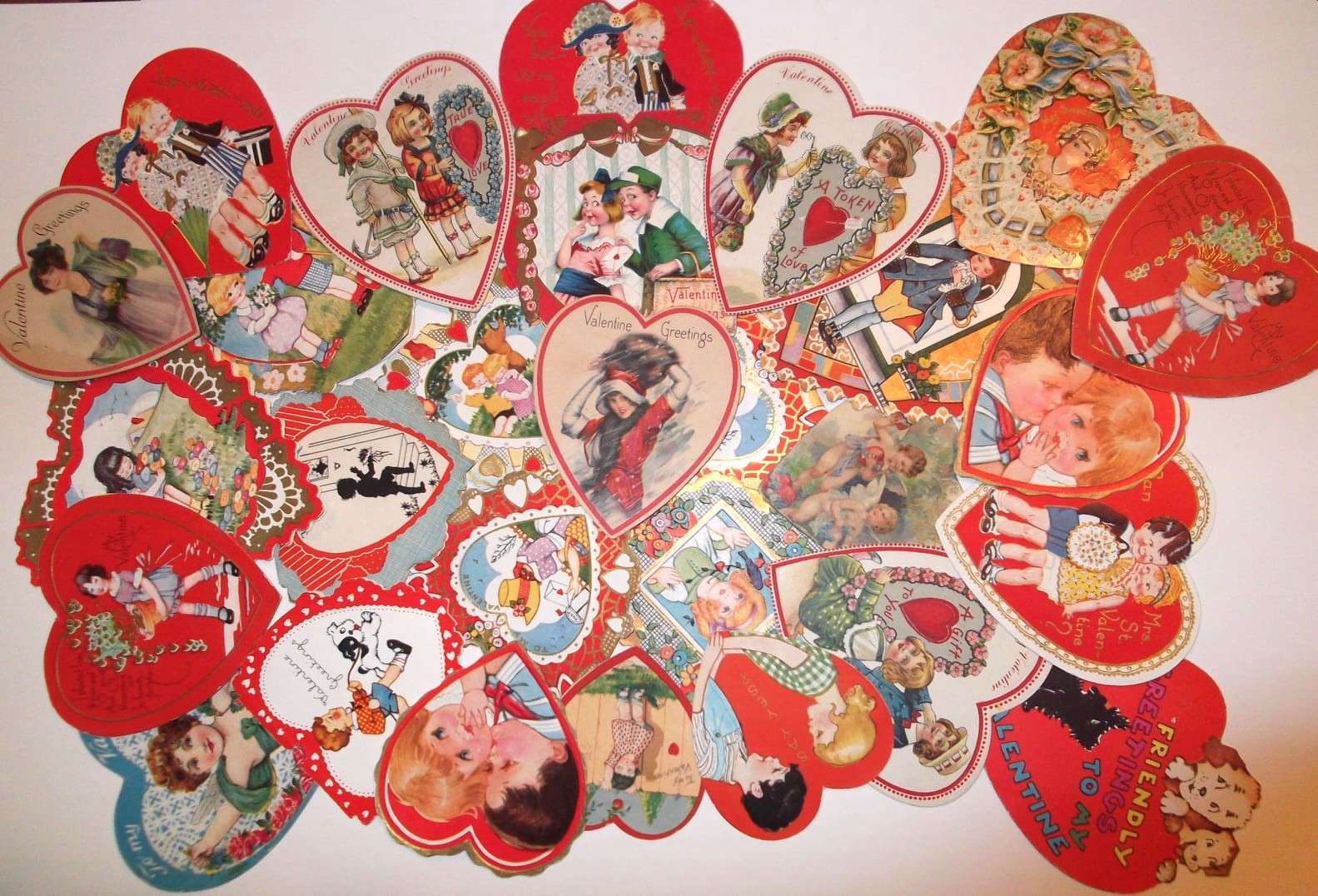
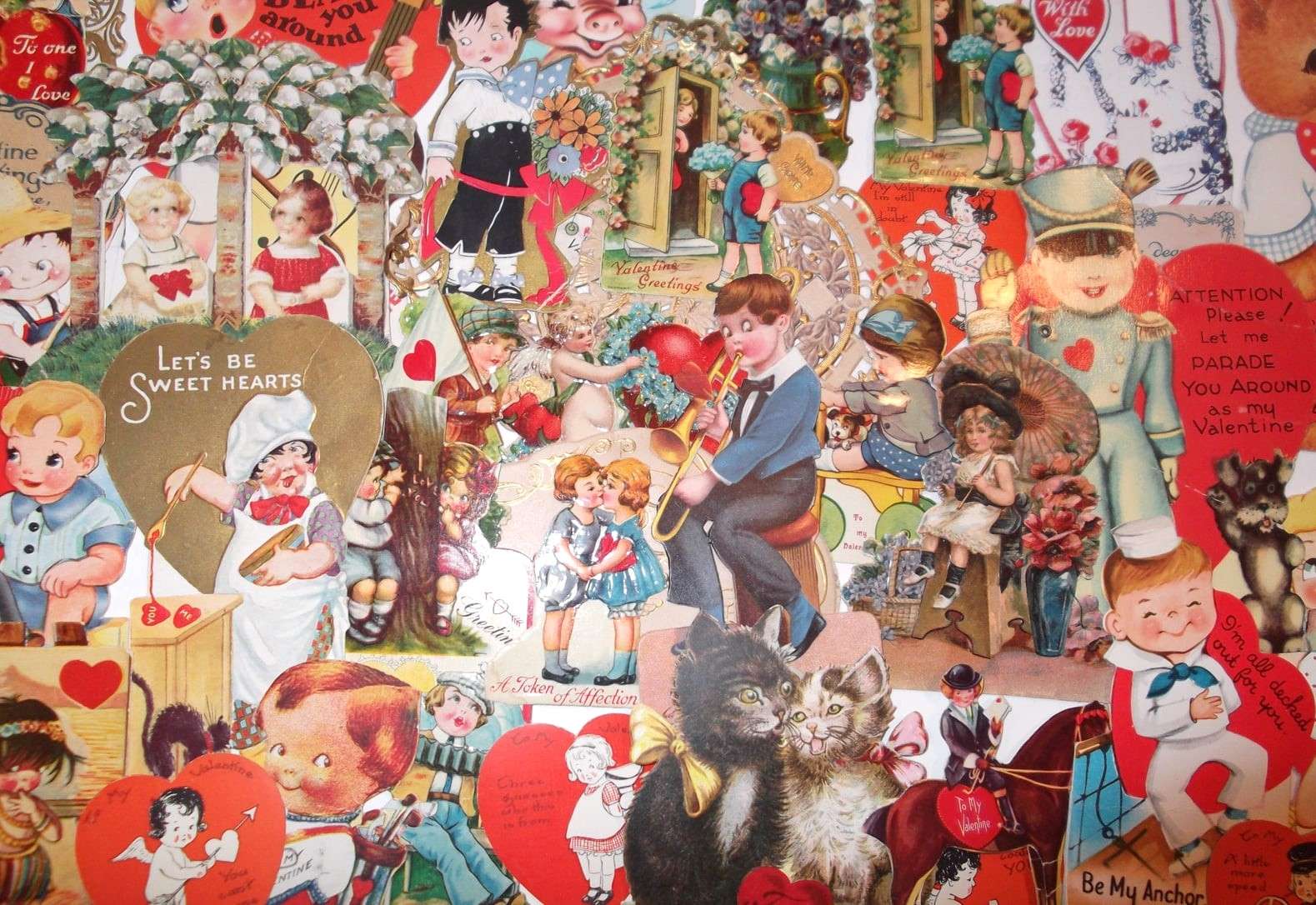
In my youth, my favorite day of the year in grade school was when we would make and decorate the Giant Valentine Envelopes, which would hold my classmates’ Valentine cards that were given to me. In my head, I can still see the paper lace trim around the red, cut-out hearts. To see that envelope get fatter with the addition of each card was so exciting! I guess that was the beginning of my love for the February holiday and why I started collecting vintage Valentine cards, figurines, and candy boxes. I will share some of my collection with you as you keep reading.
Valentine’s Day is a holiday celebrated every February 14th across the United States and around the world. In honor of St. Valentine, candy, flowers, and gifts are exchanged between loved ones.
The Mystery
But who is this mysterious saint, and where did these traditions come from? It is ironic that one of the more popular holidays in America is named for a saint about whom very little is known.

The confusion about St. Valentine begins with reports that there may have been two Valentines who lived and died at the same time—one was a priest in Rome and the other was a bishop in Terne.
According to some sources, Saint Valentine was actually two distinct historical characters who were said to have healed a child while imprisoned and executed by decapitation. According to History.com, the Catholic Church recognizes at least three different saints named Valentine or Valentinus, all of whom were martyred.
The history of Valentine’s Day—and the story of its patron saint—is shrouded in mystery. We do know that February has long been celebrated as a month of romance and that St. Valentine’s Day, as we know it today, contains vestiges of both Christian and ancient Roman traditions.
How did Valentine’s Day start?

According to History.com, Valentine’s Day is said to have originated from a Roman Festival known as Lupercalia. The first Valentine’s Day is thought to have taken place in 496. It was held on February 15 as a festival dedicated to Faunus, the Roman God of agriculture.
To begin the festival, members of the Luperci, an order of Roman priests, would gather at a sacred cave where the infants Romulus and Remus, the founders of Rome, were believed to have been cared for by a she-wolf or lupa. The priests would sacrifice a goat for fertility. Roman women welcomed the touch of the goat hides because it was believed to make them more fertile in the coming year. The young women in the city would place their names in a big urn. The city’s bachelors would each choose a name and become paired for the year with his chosen woman. These matches often ended in marriage.
The metamorphosis of Valentine’s Day, tracing its lineage from the raucous Roman festival of Lupercalia to its sanctification by the Church in the 5th century, unveils a captivating evolution of a day that has become synonymous with love and courtship. This transformation, a strategic move by the Church to supplant pagan traditions, marks a significant and enduring chapter in the history of Valentine’s Day.
The church wanted to turn this festival into a Christian celebration and decided to use it to remember St. Valentine, too. Lupercalia continued for some time but was outlawed at the end of the 5th century when Pope Gelasius declared February 14 as St. Valentine’s Day.
Valentine’s Day Meaning: A Day of Romance and Love
During the Middle Ages, it was commonly believed in France and England that February 14 was the beginning of birds’ mating season, which added to the idea that Valentine’s Day should be a day for romance. The English poet Geoffrey Chaucer was the first to record St. Valentine’s Day as a day of romantic celebration in his 1375 poem “Parliament of Fowls,” writing, “For this was sent on Seynt Valentyne’s day / Whan every foul cometh ther to choose his mate.”
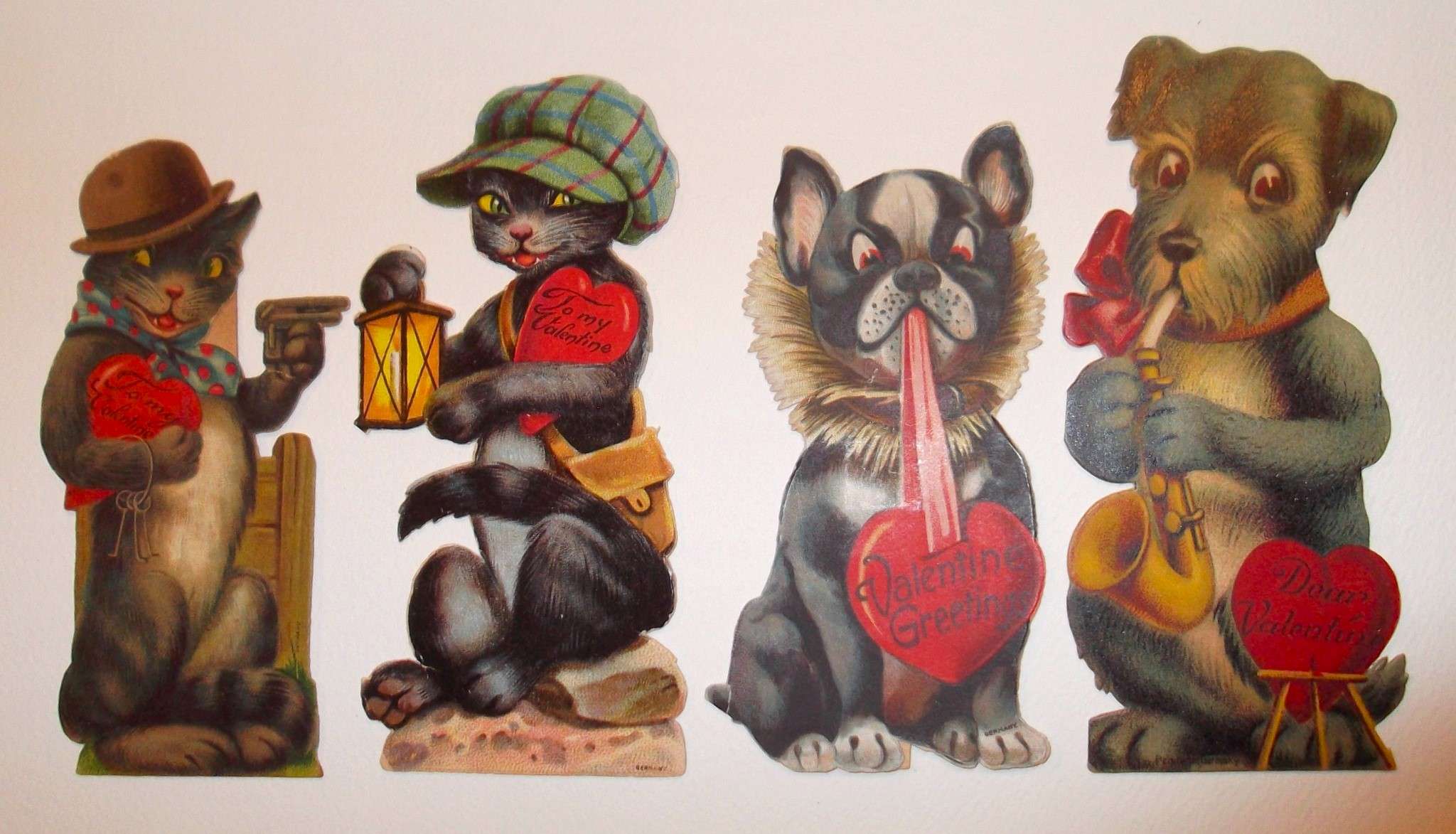
Valentine Greetings
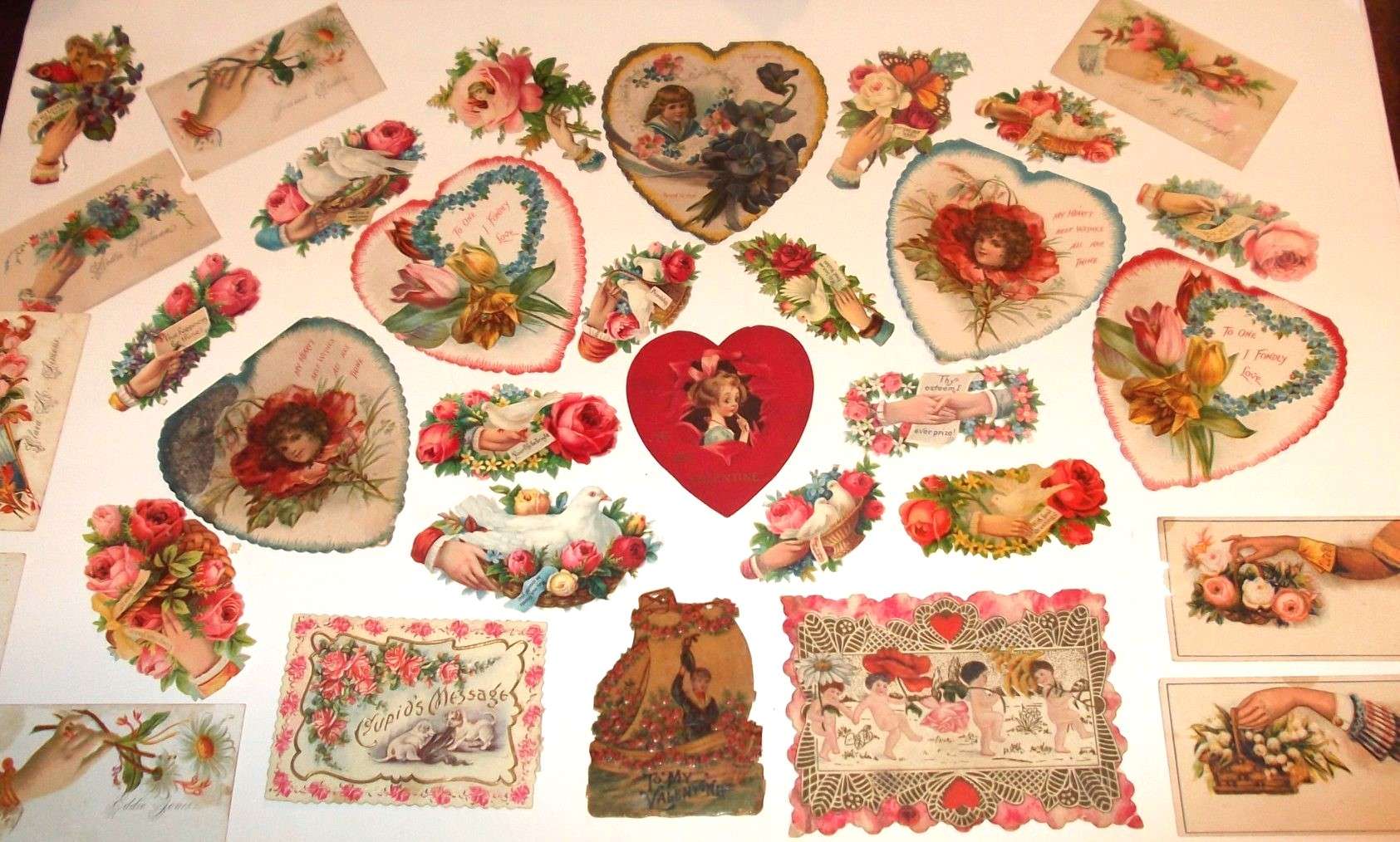
Valentine’s greetings were popular as far back as the Middle Ages, though written Valentine’s didn’t begin to appear until after 1400. The oldest known Valentine still in existence today was a poem written in 1415 by Charles, Duke of Orleans, to his wife while he was imprisoned in the Tower of London following his capture at the Battle of Agincourt. (The greeting is now part of the manuscript collection of the British Library in London, England.) Several years later, it is believed that King Henry V hired a writer named John Lydgate to compose a Valentine’s note to Catherine of Valois.
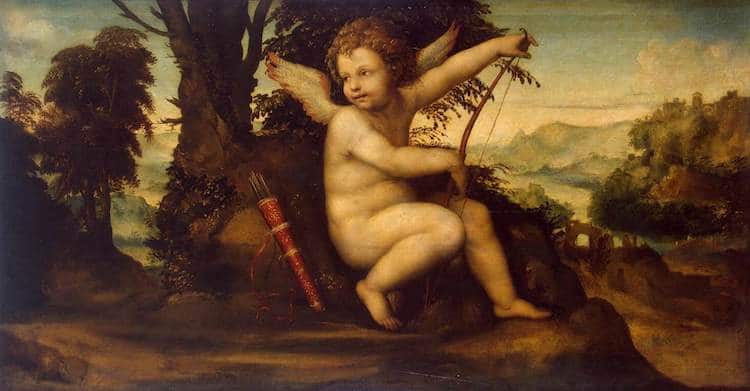
Who Is Cupid?
Cupid is often portrayed on Valentine’s Day cards as a naked cherub launching arrows of love at unsuspecting lovers. But the Roman God Cupid has its roots in Greek mythology as the Greek god of love, Eros.
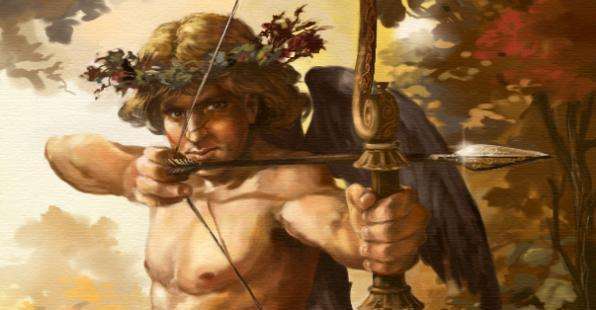
According to the Greek Archaic poets, Eros was a handsome immortal playing with the emotions of Gods and men, using golden arrows to incite love and sow aversion. It wasn’t until the Hellenistic period that he began to be portrayed as the mischievous, chubby child he’d become on Valentine’s Day cards.
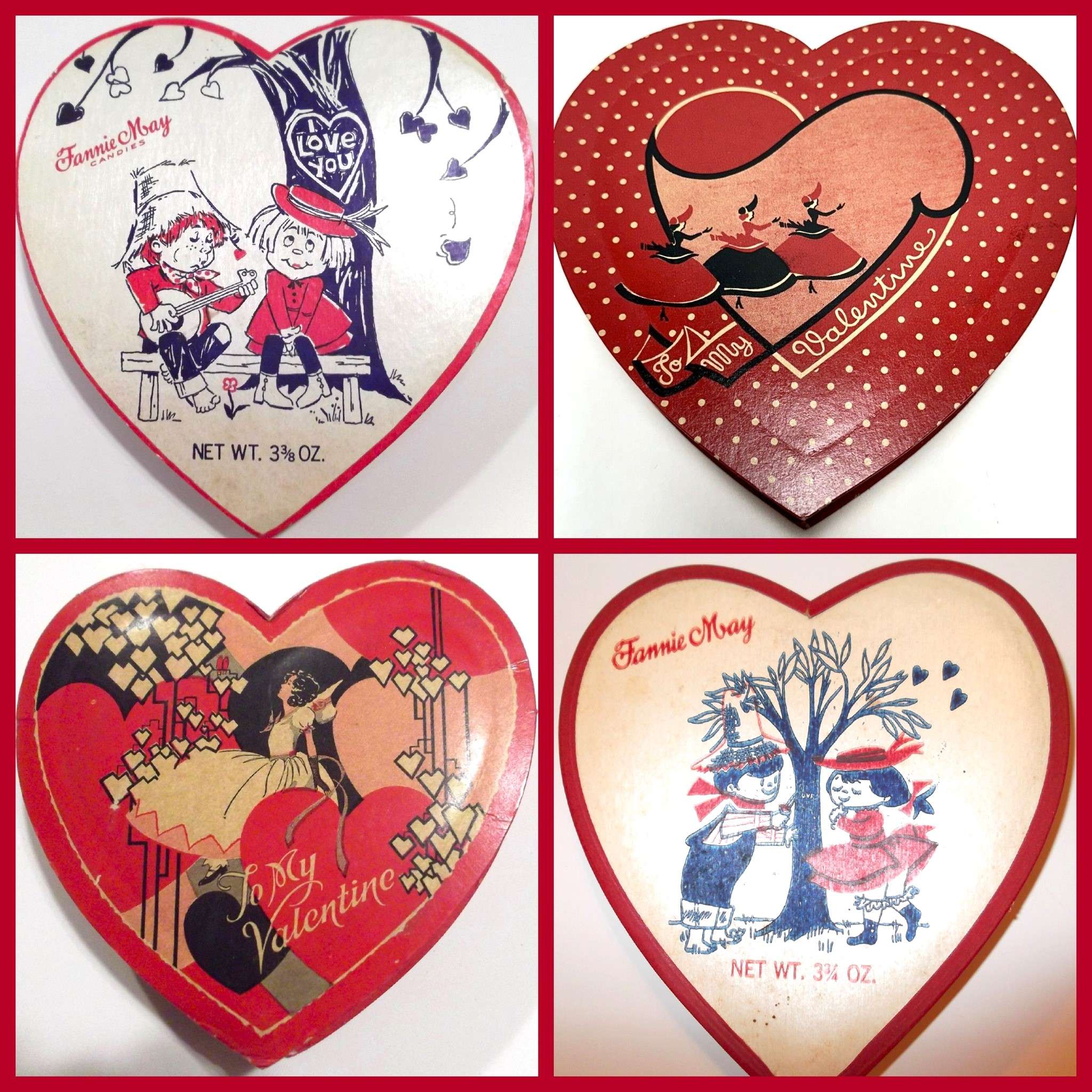
Valentine’s Day in Modern Times
The celebration of Valentine’s Day varies across cultures and regions, with unique traditions and customs. In some countries, such as Finland and Estonia, Valentine’s Day is known as “Friend’s Day,” a day to celebrate the importance of friendship.

Though the history of Valentine’s Day is complex, for me, a holiday that celebrates love and friendship with hearts, chocolates, flowers, cards, kisses, and so much more makes it well worth writing about. I wish you all a very Happy Valentine’s Day!

Denise Gregorka is a longtime Little Falls resident who has a love for the city’s people & history.
She is married to Craig, who is a Little Falls native, retired photographer & former business owner.
Denise has done costume collaboration for Broadway and off-Broadway theatre for 18+ years and has also been an antique/collectibles dealer for over 25 years.
She is not a professional writer but is compelled to hear and share the “background story” from engaging Little Falls residents.
If you’d like to reach out to Denise about a story idea, you can email her at gork4444@gmail.com.