

Story and Photographs By Joan Herrmann
Whereiwander… today is within our woods and meadow. In my last column, which was about Eastern Chipmunks, I wrote about the vast quantities of food that most chipmunks cache for the winter. Among the cached tree seeds noted by Naturalist John Burroughs, by a single chipmunk over a three-day interval, were five quarts of Hickory nuts and two quarts of Chestnuts. Chipmunks that reside on our property will also cache Black Walnuts, Beechnuts, Butternuts, Downy Serviceberries, Oak Acorns, and many other nuts and berries.
My attraction to trees began at a very early age. I lived on the corner of Oakland Street and Linden Street, and “my playground” was Highland Park, which is well known for its Lilac Trees. We spent our summers on Conesus Lake, but I was always most comfortable in the woods near our cottage. On extremely hot days when most everyone was either in or on the lake, was when I enjoyed the cool shade of the forest trees. As an adult, I have great love and respect for all trees. If we take just a few moments to be grateful for all that trees do for us on a daily basis we begin to have even more respect for each and every tree. Trees take in our expelled carbon dioxide and release oxygen. Trees prevent soil erosion. Globally, there are more than fifty thousand coniferous and deciduous species.
Trees supply most of our daily needs, which may include transportation such as ships, rowboats, guide boats, paddles and oars, canoes, and kayaks. They provide us with means of communication (paper, pencils, newspapers, and books). Trees help us to enjoy sports: baseball bats, hockey sticks, golf clubs, skis, snowshoes, sleds, and hiking sticks. Trees provide us with heat in the winter used in wood stoves and campfires. Many daily jobs are done with the aid of items made of wood. Many tools are still used that have wooden handles, and even ladders and wheel barrows might still be made of wood. Many fine instruments are made of wood: violins, flutes, pianos, and guitars. Even medical needs such as tongue depressors and crutches are or have been made of wood. Many medications and cough syrups come from trees.
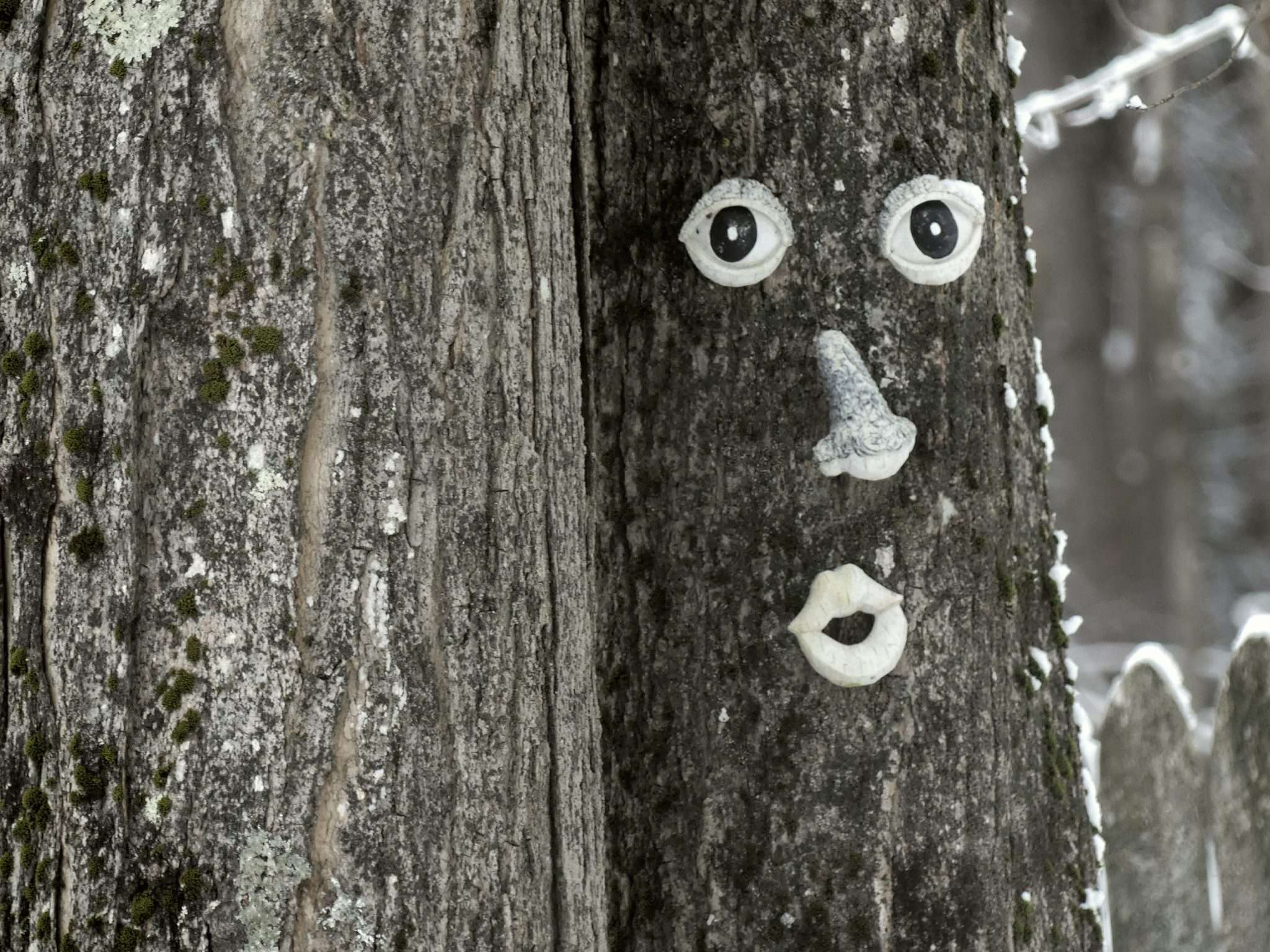
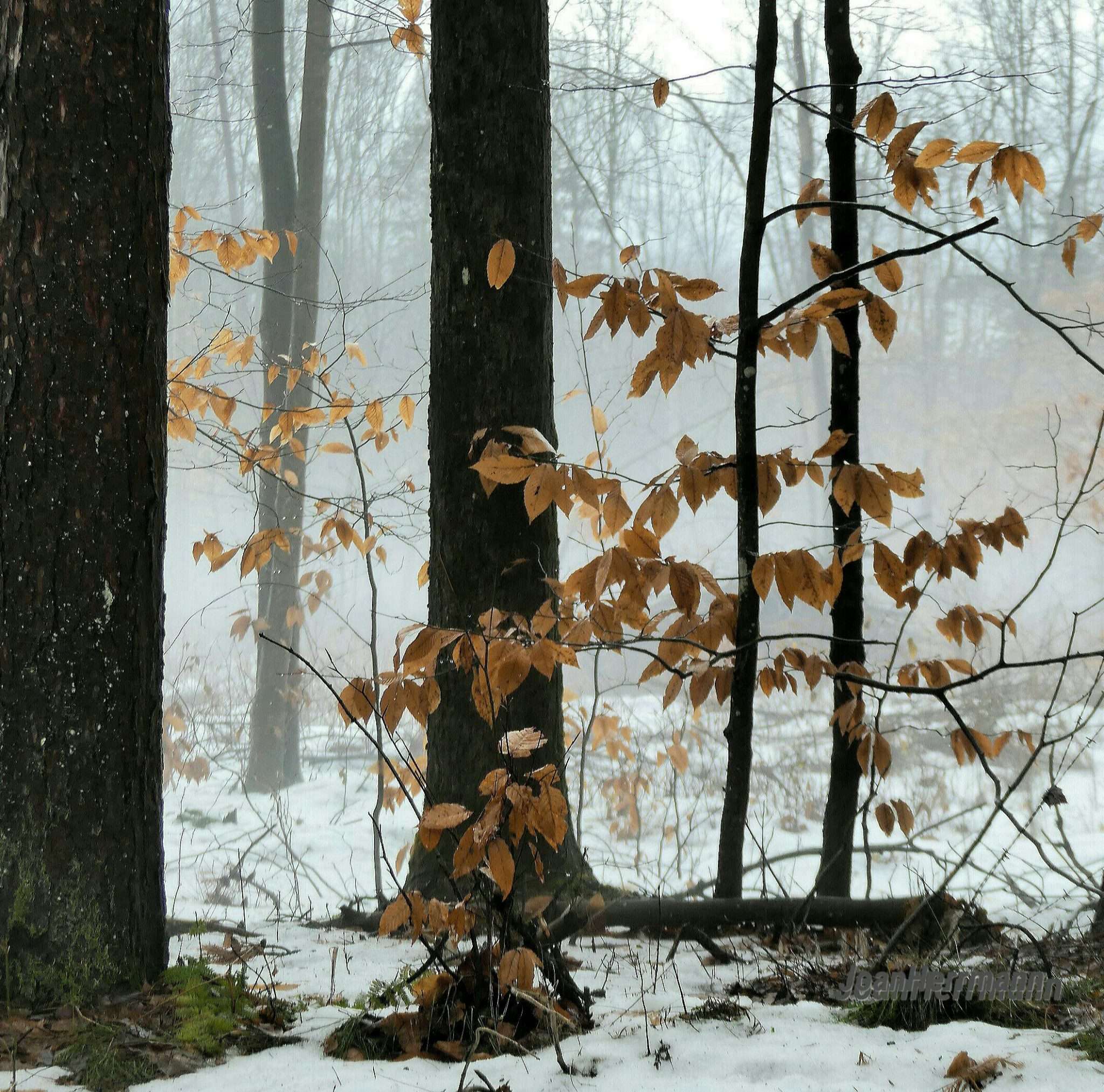
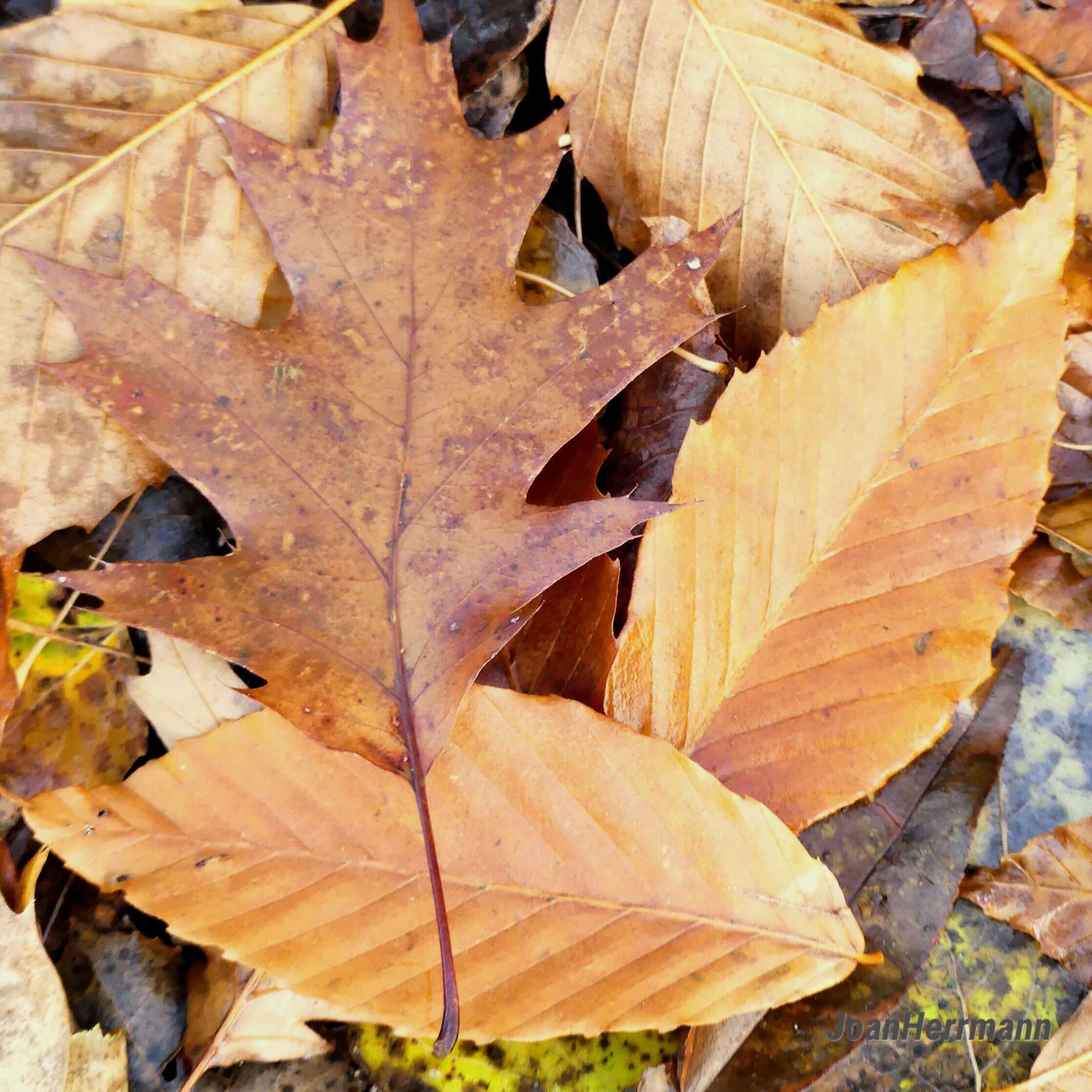

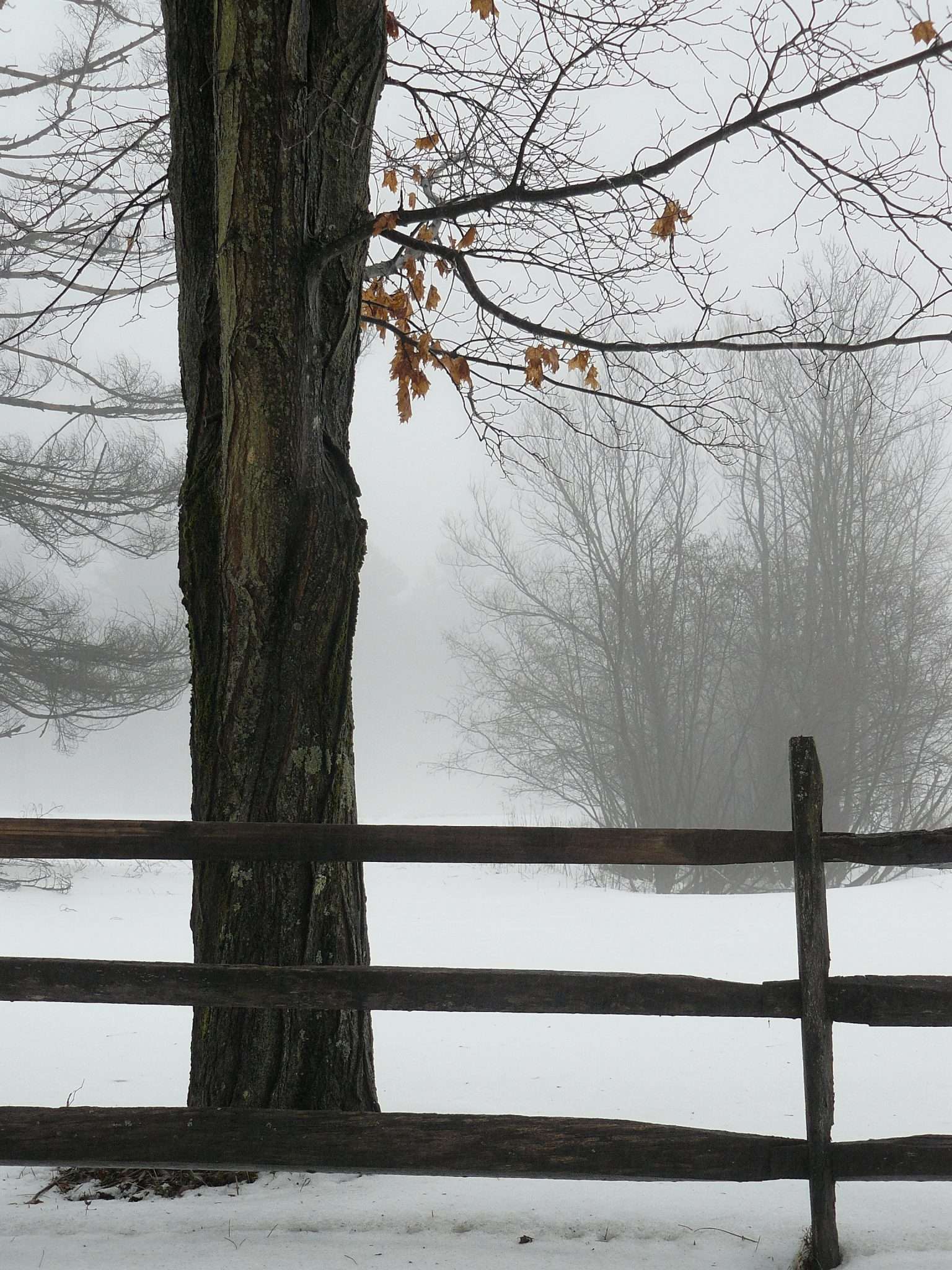

It nearly overwhelmed me when I walked from room to room, counting the number of items that we use daily that are actually made of or from wood. For example, our kitchen cabinets and knobs and handles, wooden spoons, rolling pins, cutting boards, toothpicks, knife handles, drying racks, wooden bowls, and chopsticks. In our bedrooms, the bed frames, dressers, and nightstands. Even the bathroom facial tissue and cabinets are all made of or from wood. Trees also play a prominent role in many of our holidays. At Christmas time, we decorate Christmas trees, listen to stories, and sing songs about our Christmas tree and Yule log. At Easter, baskets may be made of wood and contain colored eggs or other treasures. Many of the foods that we enjoy at holiday times are also from trees, such as roasted chestnuts, jams and jellies, citrus fruits, and many things, including pine cones and nuts.
Plant succession is the natural change in the type of plant species that occupy acreage, with one plant community being replaced by another. For example, this progression may begin with Grasses, Goldenrod, and Steeplebushes being replaced by White Pine (Pinus strobes). Trembling Aspen (Populus tremuloides), Black Cherry (Prunus serotina), and then later Sugar Maple (Acer saccharum), American Beech (Fagus grandifolia), Yellow Birch (Betula alleghaniensis) and Eastern Hemlock (Tsuga canadensis).
I have found it interesting that there are more than eighty-five species of birds that depend on tree cavities in North America. These cavities protect nestlings from predators and weather conditions. Also, cavity nesters are among the first birds to lay their eggs in the spring, and their nestlings are the first to leave the nest (fledge). Many birds can create their own cavities within a tree, and since their brood leaves the cavity fairly early in the nesting season, other birds that are unable to produce a cavity will claim ownership as soon as it is empty. I have actually watched a Pileated Woodpecker tree cavity being used by Wood Ducks within hours of the woodpecker’s nestling departure.
It is amazing how many insects depend on trees; for instance, numerous butterflies and moths have a host plant or host tree where they will lay their eggs. You may already be aware that the Monarch Butterfly lays one egg per plant on either common milkweed or swamp milkweed. Sometimes, though, you may encounter more than one caterpillar on the plant, and that means two different female monarchs choose the same plant. As the caterpillar grows (instars) it sheds its skin and will eventually consume the entire plant of all its leaves. If you are interested in finding and photographing a certain butterfly or moth, learn which plant or tree is its host plant where it lays its egg or eggs, which will hatch into a caterpillar (Larva). For example, the Luna moth has several host plants, which include Birch, Hickory, and Walnut Trees.
Many other insects also depend on trees for their species continuations include those that build the hanging paper nests that we begin to see in the fall. Hornets and Yellowjackets are two of these insects. And it will take hundreds of “workers” chewing bits of wood from rotting logs or weathered wood to masticate (chew) the fibers combined with their saliva to create these beautiful nests. The color variations within these nests are created by the chewed wood from different types of trees.
Learning to identify types of trees may seem difficult, and we are blessed to have many different species in our area. If you are truly interested in learning about the species in your area, I highly recommend that you purchase either one of several excellent tree field guides or apps on your phone. Once you become familiar with the flowers, fruits, leaves and bark you will be able to recognize certain trees at a glance.

In 2007, she began working with the Black River Outdoor Educational Program (BROEP). In 2013 and 2014, she did a week-long summer program at BROEP with Mohawk Valley Community College (MVCC).
Using her love of nature and photography, she created a Flora/Fauna outdoor educational program teaching students (ages 6 to 14) the joys of nature and creative photography skills.
Joan’s love of nature has been a lifelong study of Birds, Wildflowers, Mosses, Ferns, Trees, Amphibians, Reptiles, Grasses, Insects, Spiders, Tracks, Scat, and Galls. She has assisted in cataloging all trails used by the hiking Coaches and photographed and identified seasonal Flora.
Since October 2016, she has written a bi-monthly nature column with Adirondack Express Newspaper. In October 2019, she began a bi-monthly column with the My Little Falls newspaper. You may reach her at jmhphoto8442@gmail.com.