By Dave Warner
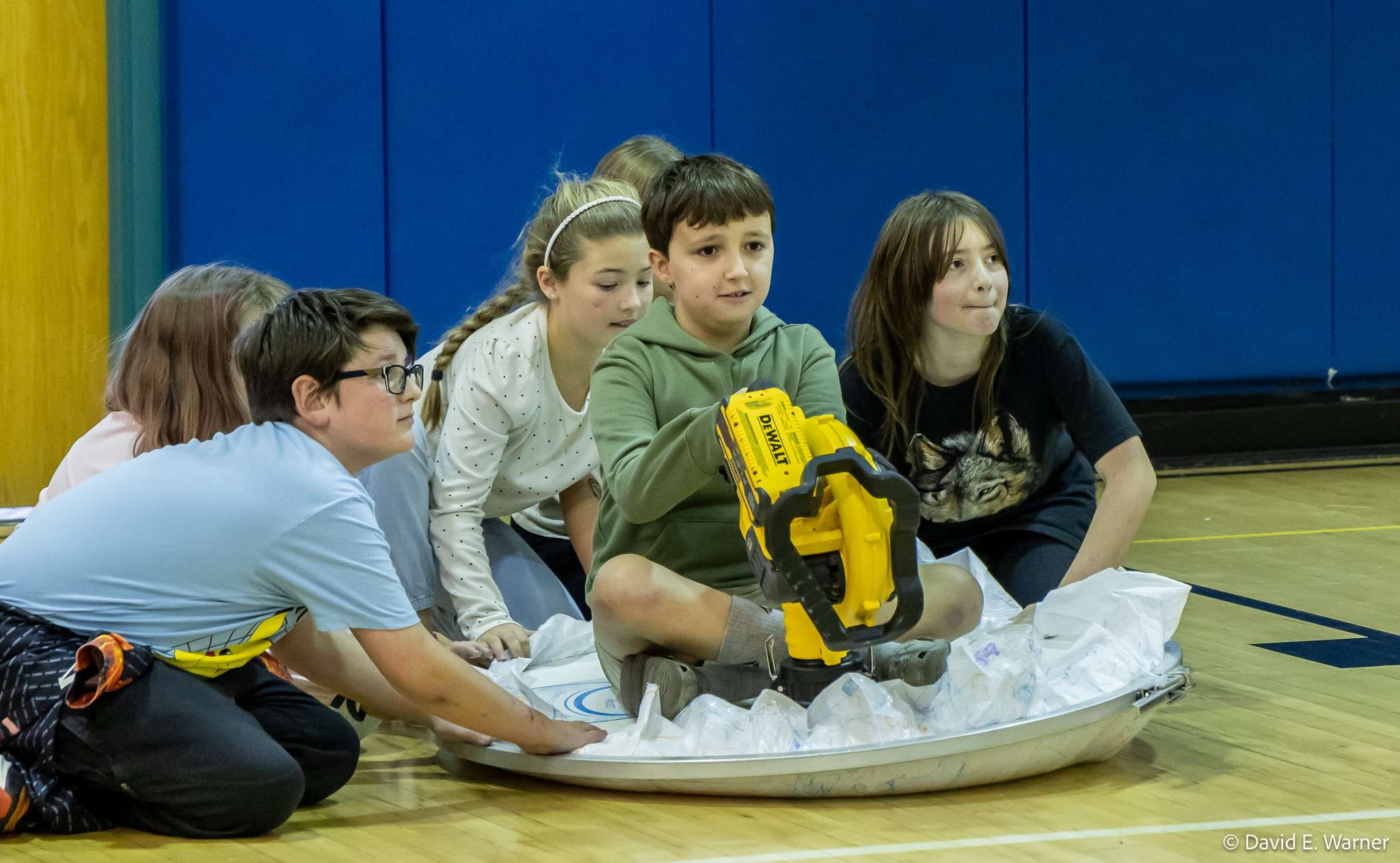
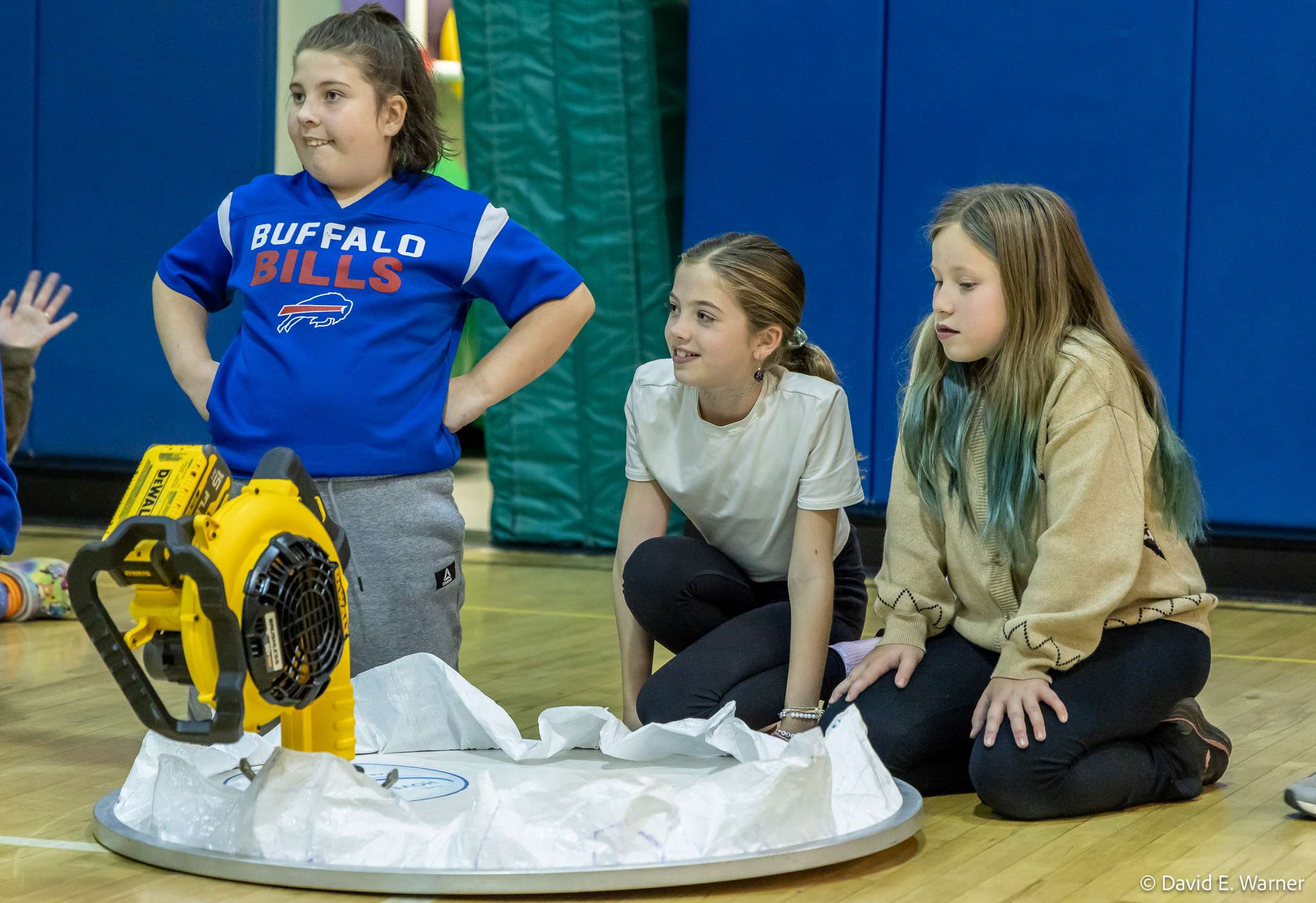
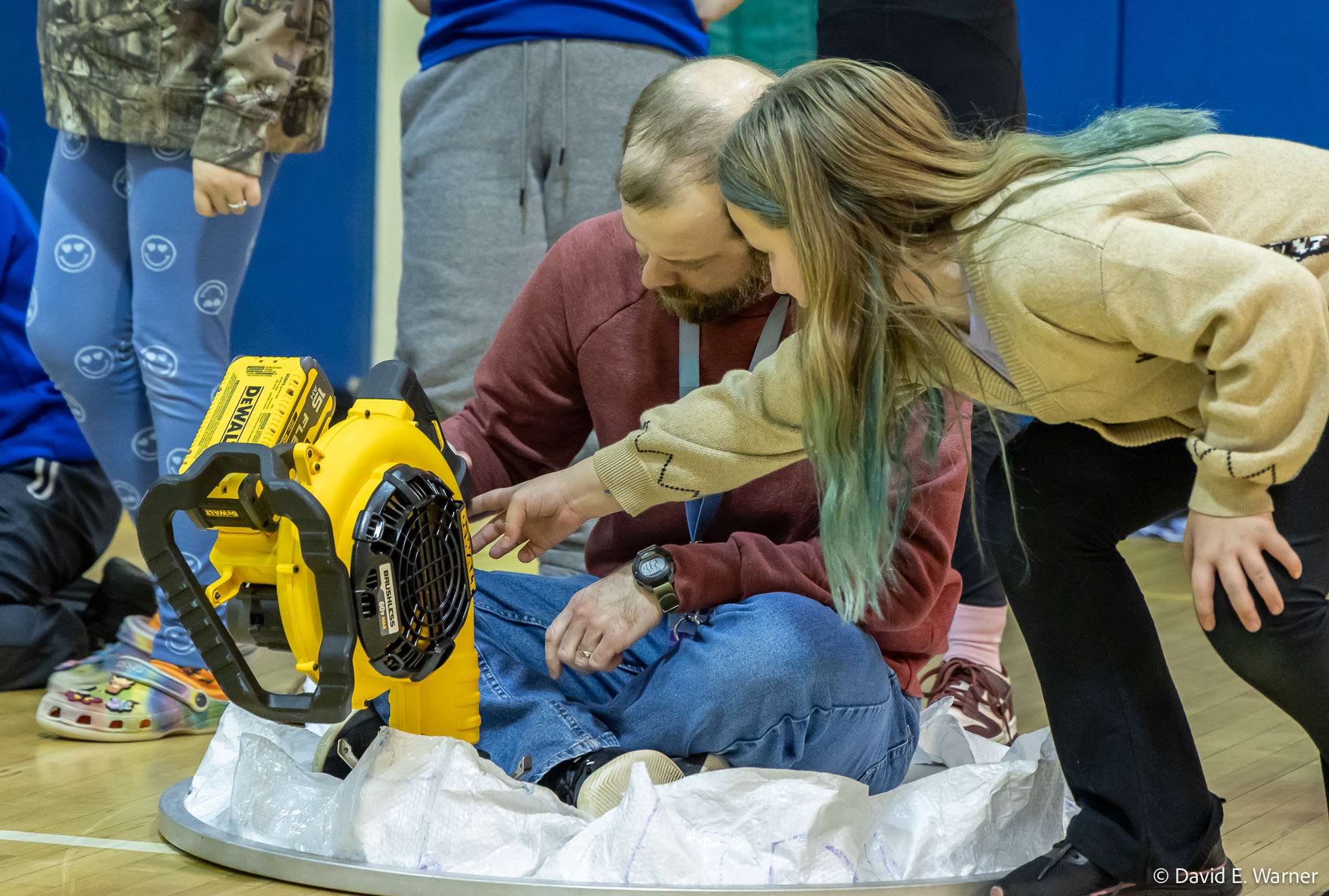
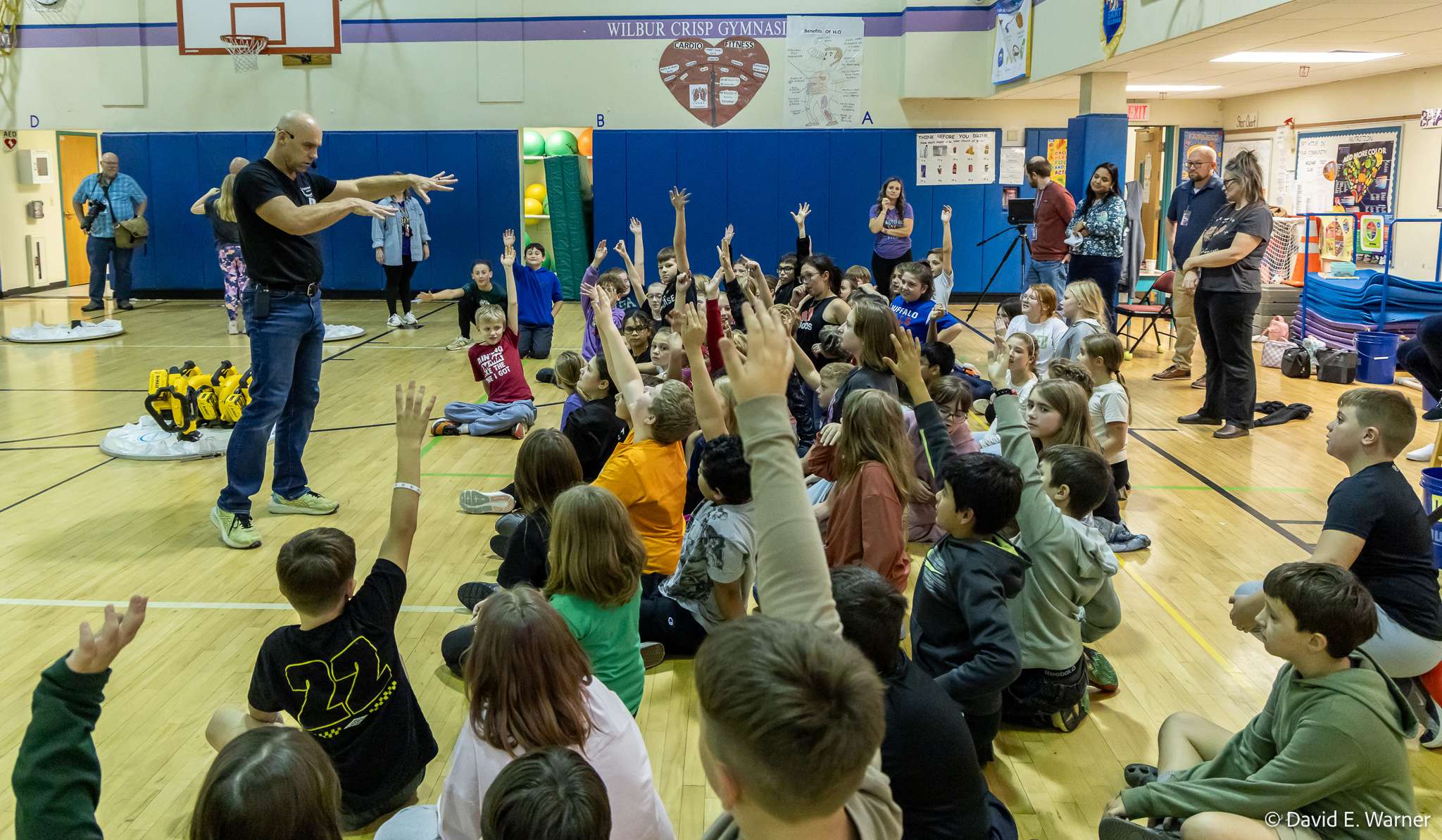
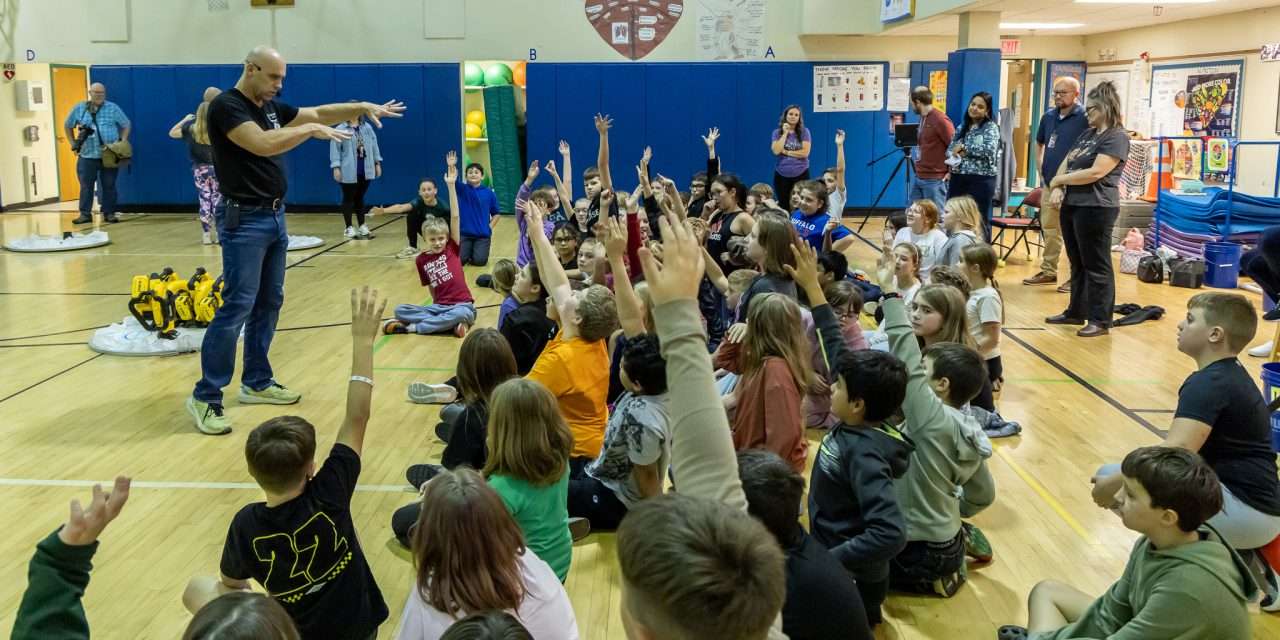
Little Falls, NY — The gymnasium at Benton Hall Academy buzzed with energy and ingenuity Monday morning, as students dove into a hands-on STEAM challenge courtesy of the national program The Hovercraft Project, under the guidance of founder and CEO Matthew Chase, the students built, tested, and then rode their own functioning hovercrafts — transforming theory into action in a project-based learning environment.
Chase, whose program visits schools around the country, explained how it all began. “When I was teaching fifth and sixth grade, I realized kids don’t learn best when I say, ‘Open your textbook to page 357 and let’s talk about friction,’” he said. Instead, he challenged his students to build a hovercraft with plywood, leaf blowers, and house-wrap, and watched their curiosity ignite.
That spark has grown into a traveling, fully immersive STEM experience.
“As a team, they design, build, test, and then ride the hovercraft — and in that process, they make sense of physics, engineering, teamwork, and their own value,” Chase said. “It’s messy. It’s challenging. And that’s the point. When they solve problems on their own, learning becomes real.”
At Benton Hall Academy, the event was part of the school’s growing STEAM initiative. Tracy Young, who leads the initiative, said she had long hoped to bring this program to the school. “My nephew did this in fifth grade at another school, and ever since, I’ve had it on my teacher bucket list,” Young said. “Once Matthew said he’d be able to come to our region, I booked it immediately.”
Young noted that the program aligns closely with the school’s engineering-by-design philosophy. “What I love about this is the failure aspect. Students build something that may not work, they test it, they refine it, and they try again. They learn that failure is part of innovation. And when they finally make it glide, the sense of accomplishment is powerful.”
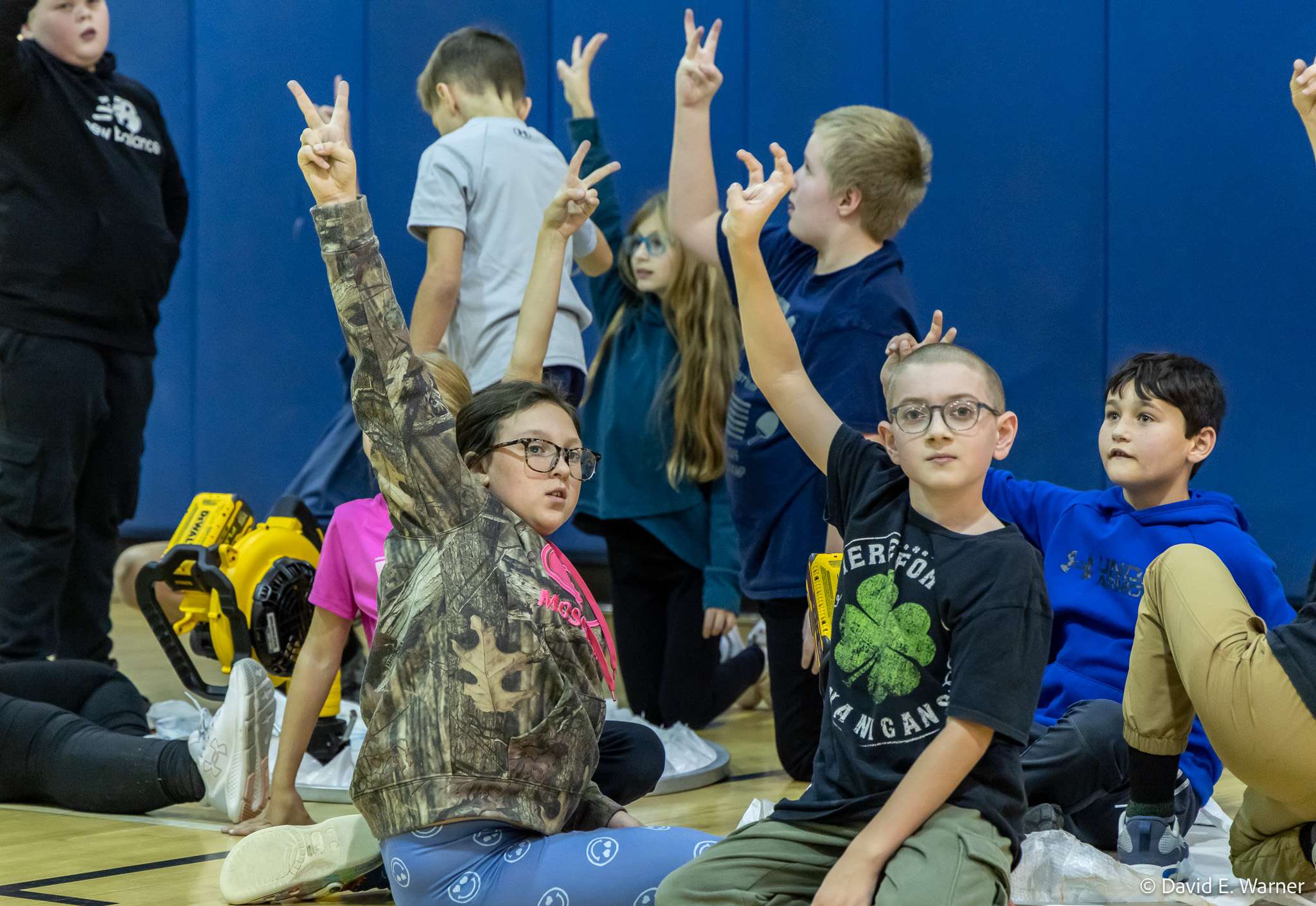
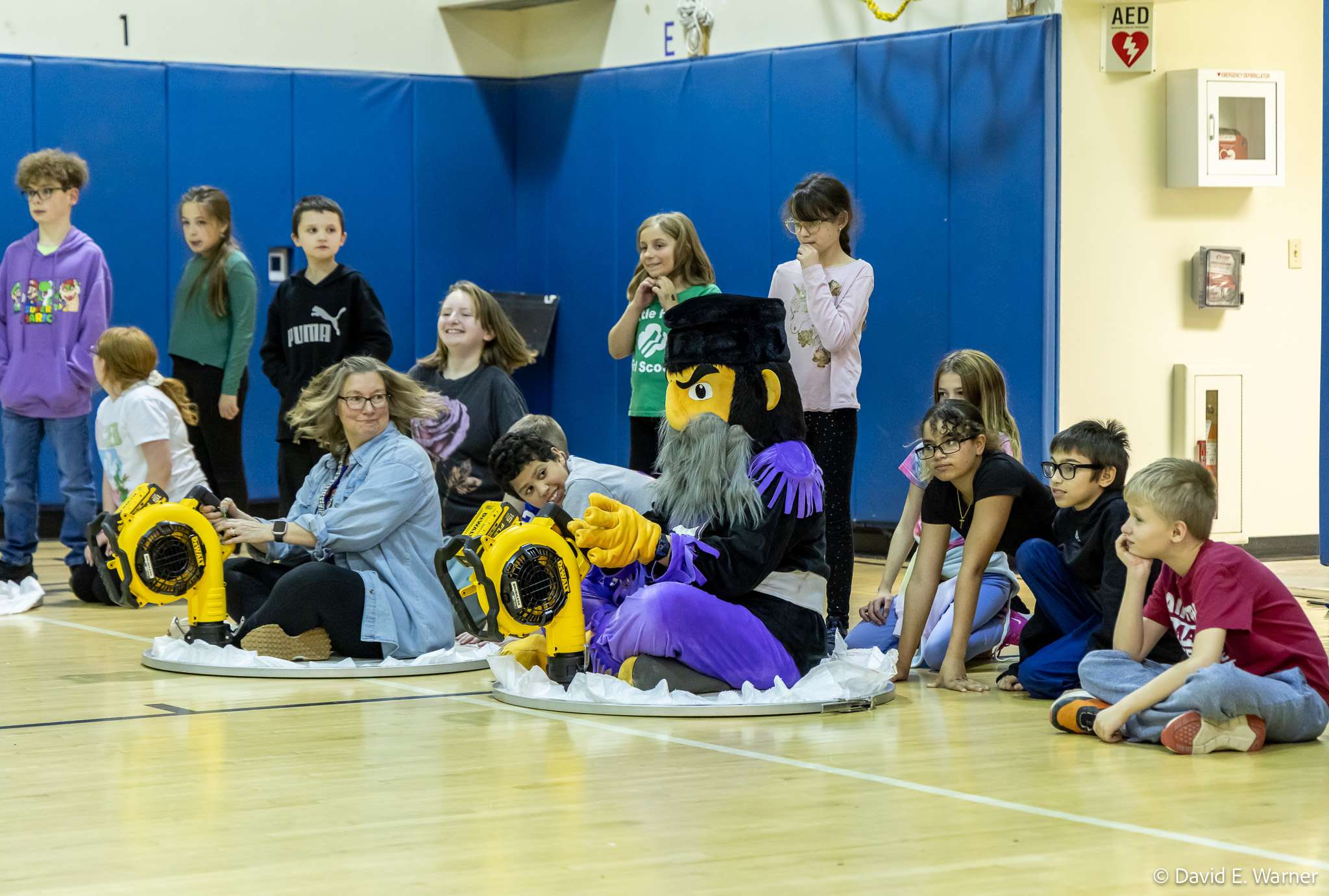
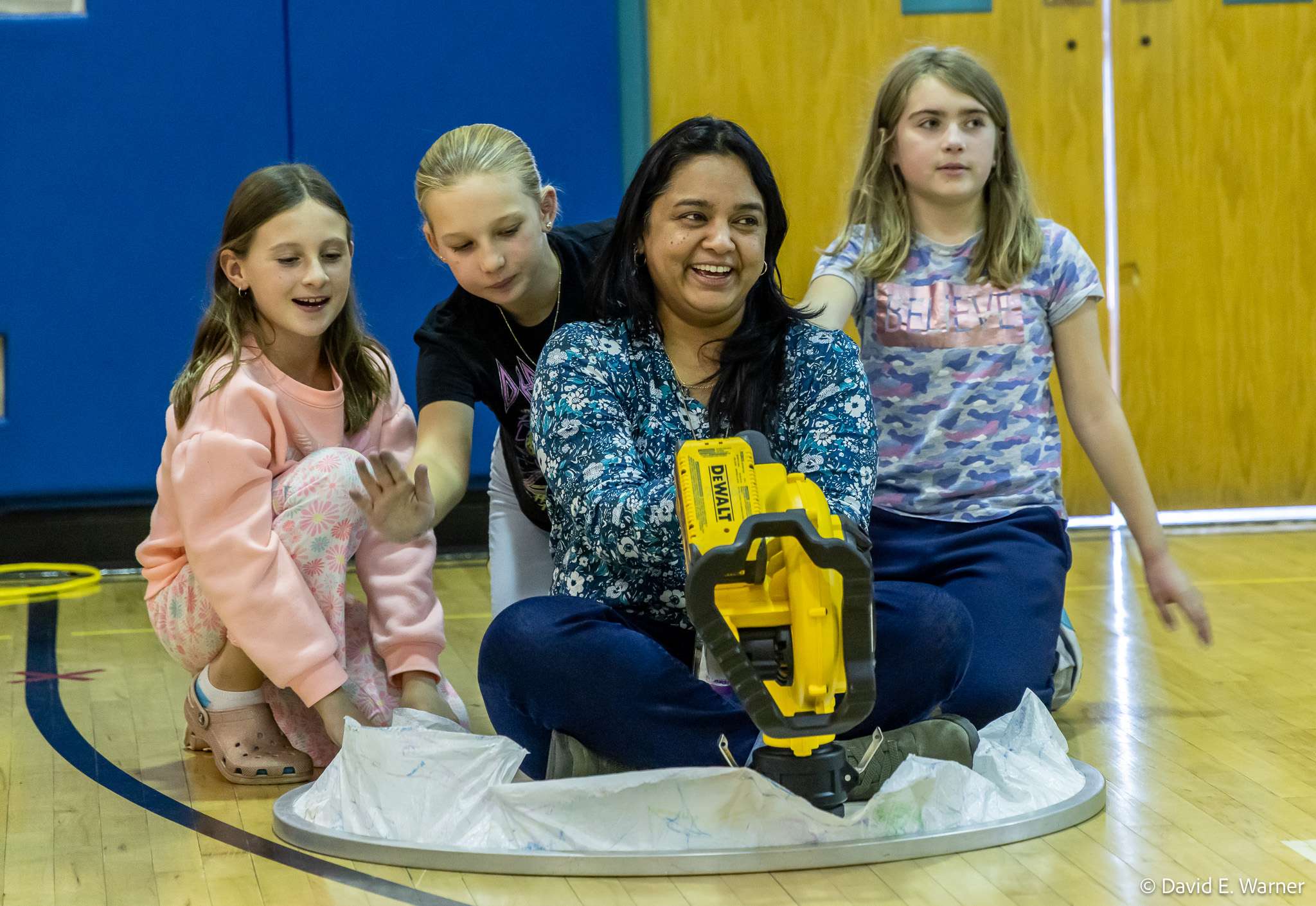
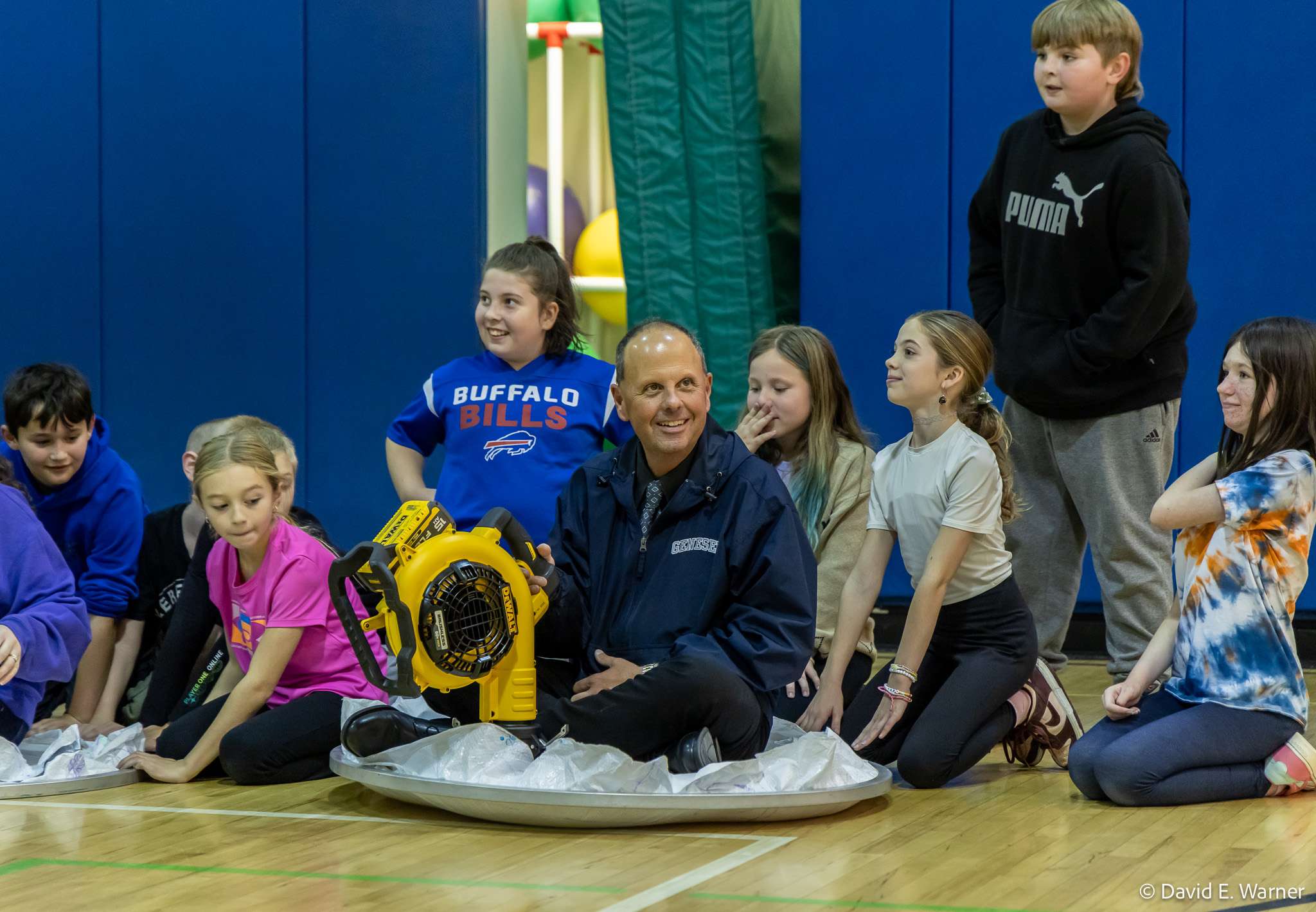
During the five-hour session, students worked in teams, assembled their hovercrafts from scratch using all provided materials, and then took turns piloting them on the gym floor. Watching a craft hover and slide under its own air cushion brought cheers, high-fives, and plenty of wide eyes.
“I loved how you could feel the air underneath and then you just glide,” said one student afterward. “It made me want to know how it worked.” Another team remarked: “We thought our design wouldn’t lift — then it did, and we shouted so loud!”
Beyond the thrill, Chase emphasized the deeper mission of The Hovercraft Project: “At its core, we want students to learn to love to learn,” he said. On the organization’s website, the mission is described as helping students discover their individual value, then work together to build something awesome.
The program travels the U.S. as a family-run business, serving around 100 schools per year.
For Benton Hall Academy and its STEAM team, the day proved that when students are trusted with real materials, real problems and real design challenges, the result is far more than a hovercraft ride — it’s a spark of lifelong curiosity.