By Dave Warner
Just outside the City limits of Little Falls, New York, Tom “Burnsy” Burns, now 88, continues to tend the 125-acre family farm that has been his home since his birth in 1937. Perched on a hill with sweeping views of the Mohawk Valley, the farmhouse, built in 1845, stands as a testament to a legacy spanning four generations.
In an interview on Sunday, Burns shared reflections on his lifelong passion for farming, the evolution of agriculture, and his renowned sweet corn, which remains a local treasure.
Born in the very house where he still resides, Burns was one of five children raised on the farm. “Well, I was born here in 1937, one of five children. And so it’s been a pleasure ever since. This home was originally built in 1845. And that’s a great old home for us,” he recalls with warmth.
His connection to the land runs deep, rooted in decades of labor and an unwavering commitment to farming.
Burns’ early memories of farming paint a picture of a bygone era. “Everything was horses until 1940, when my father bought the first farm tractor, all on steel. And then a couple of years later, he changed it over to rubber tires,” he explains.
The transition from horse-drawn equipment to tractors marked a significant shift, but Burns has continued to embrace change while holding onto traditions that work.
“Ever since then, I’ve upgraded to more modern tractors and whatnot,” he adds, though he remains loyal to his 1950 John Deere two-row corn planter. “It works very well and I’m used to doing it that way,” he says, acknowledging the contrast with today’s massive 12, 24, or even 54-row planters.
The evolution of farming technology has transformed not only the equipment but also the very nature of crops like hay and corn. Burns marvels at the advancements in hay farming: “Used to be a sickle bar, and now it’s gone from that to disc mowers. These guys mow down 25 feet of hay in one pass, and they don’t manhandle the bales.”
Instead, modern methods rely on skid steers and bale wagons to handle 1,200-pound bales, a far cry from the labor-intensive days of his youth. “Young people aren’t accustomed to farming anymore. Everybody had to go to mechanical everything,” he observes, noting the shift away from manual labor.
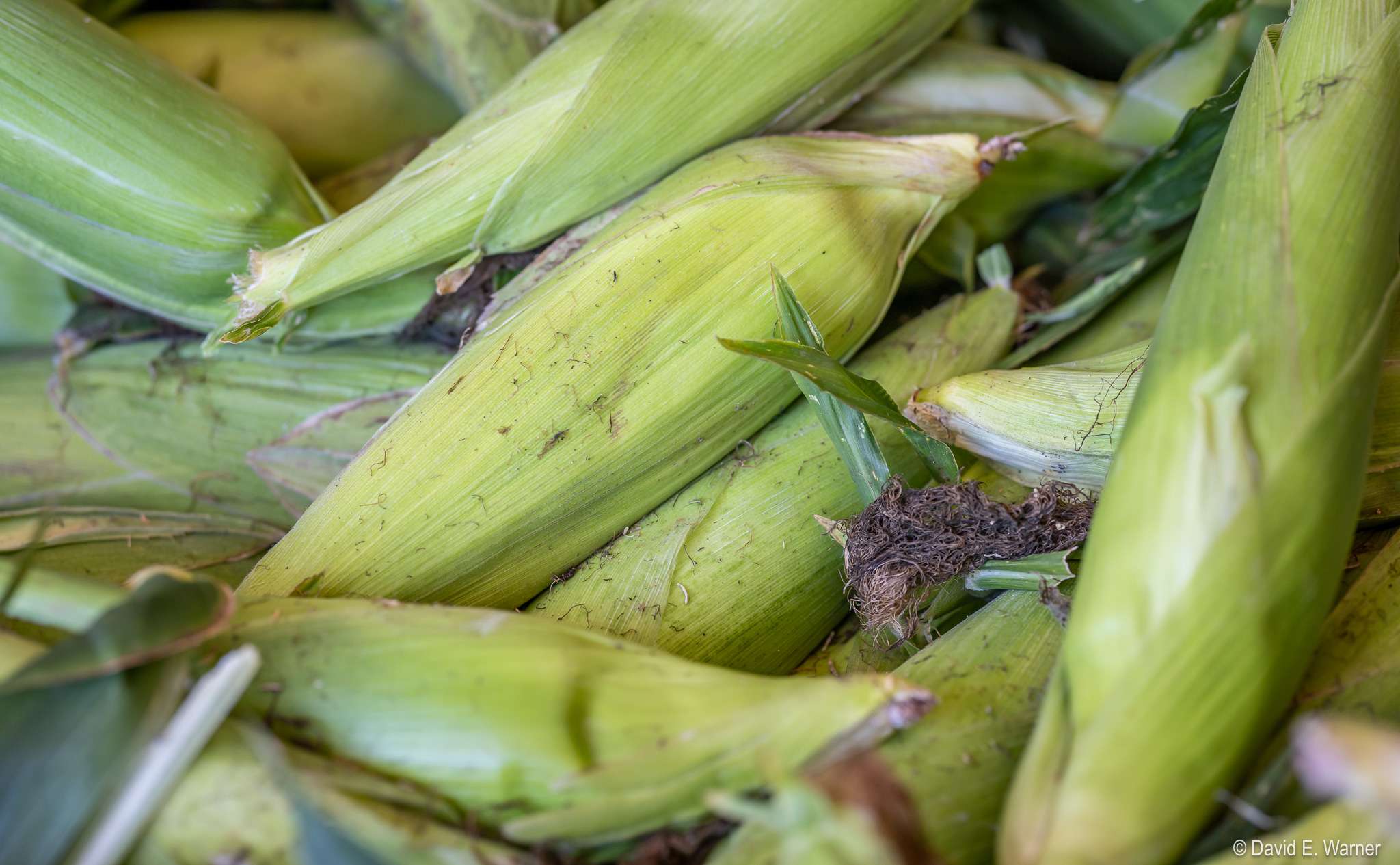
Corn, however, remains Burns’ pride and joy, particularly the super-sweet varieties that have redefined quality. “The quality of corn has gone from a little bit sweet to very sweet,” he says. “When you come into the bite, all our corn’s super sweet. Three bites and you’re hooked on them.”
These modern varieties, with their sugar-heavy, shrunken kernels, require precise conditions—65-degree soil for germination—but the result is worth it. “They’re harder to grow. They need 65-degree soil. But the end product is so much better,” Burns emphasizes.
While some still opt for sugar-enhanced varieties, he believes the super sweet corn is unmatched, describing it as “a great ear of corn that everybody really likes.”
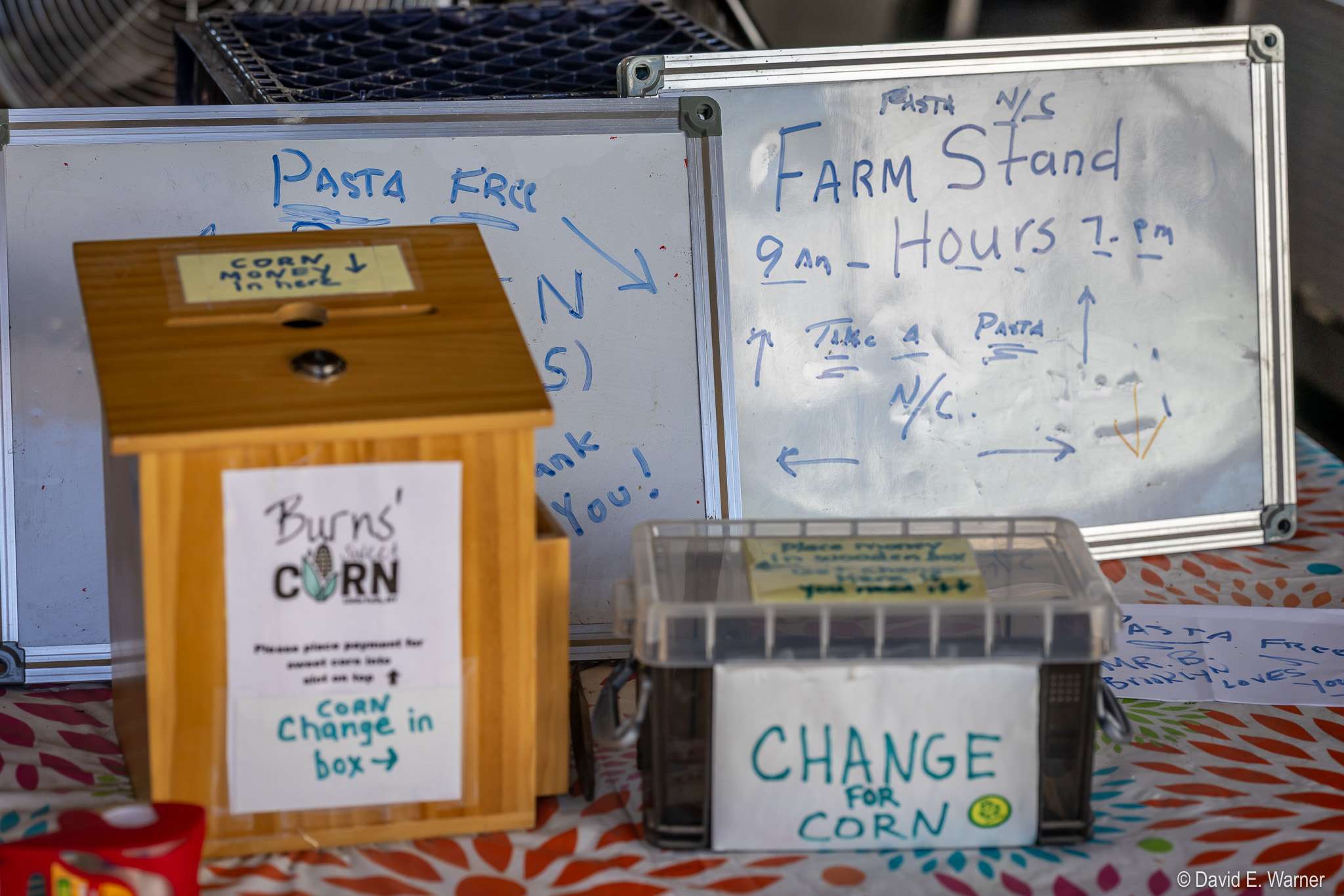
Burns’ approach to farming is both practical and intuitive. He still relies on his trusty 1950 corn planter, a relic compared to today’s sprawling machines, but one that suits his needs. Yet, for Burns, the joy lies in the simplicity of his methods and the quality of the results. His corn, grown with care and harvested at peak ripeness, draws customers to the Little Falls Co-Op and his farm at 357 Cole Rd.
Reflecting on the changes in farming, Burns is candid about the challenges facing the next generation. The move to mechanization has made farming less labor-intensive but also less accessible to those without significant resources. “It’s been a tough situation,” he says, lamenting the decline of small family farms.
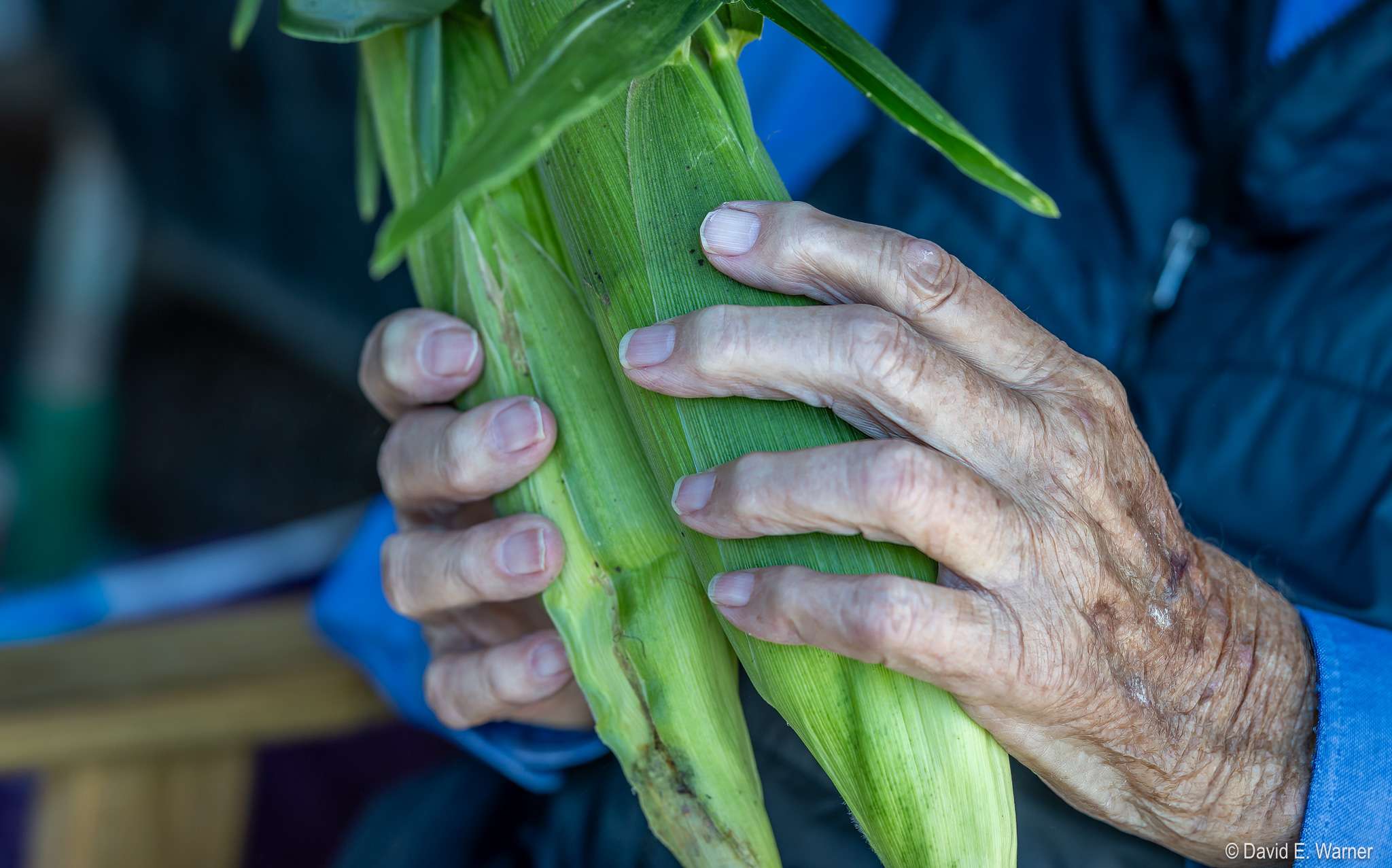
Yet, his own passion remains undimmed. At 88, Burns continues to oversee the planting and harvesting, relying on young helpers to pick the corn. His daughters describe his lifelong stewardship of the land as inspiring, hoping he can continue doing what he loves on the farm that has defined his life.
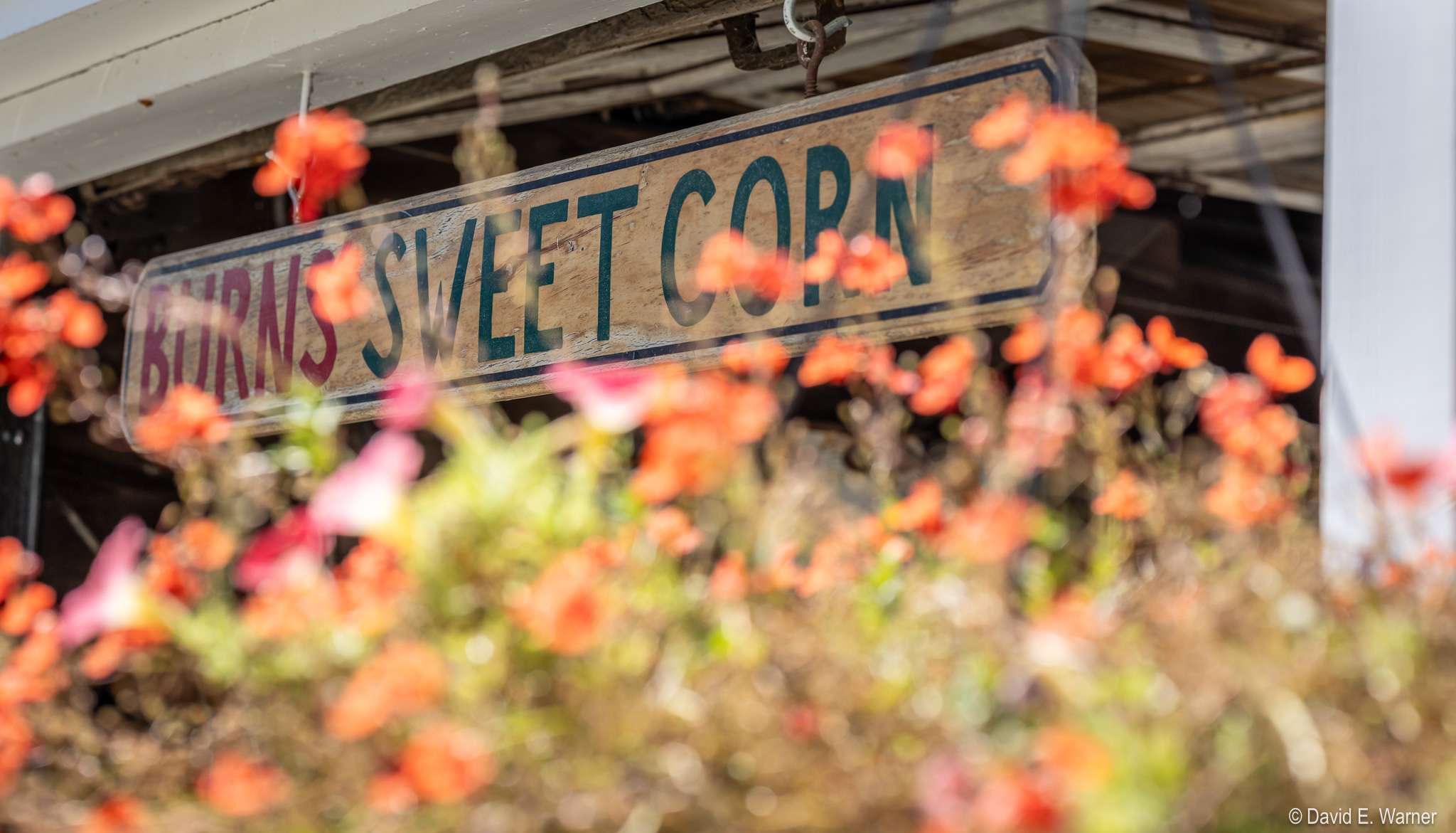
Burns’ sweet corn is more than a crop—it’s a tradition that binds the community. Available at the Little Falls Co-Op or directly from the farm, it carries the weight of history and the promise of quality.
“Everything has changed in the corn industry,” Burns reflects, but his dedication to growing the best super sweet corn endures.
For those eager to taste the fruits of his labor or share stories with a farmer whose life is intertwined with the land, a visit to Burns’ farm is a must.
For more information, visit https://www.facebook.com/burnscornlittlefalls.