
Story and Photographs by Joan Herrmann
Whereiwander… within a short distance from our home, or even within our property, many new arrivals can be observed and photographed. This time of year many “babies” also known as a fawn, a kit, a cub, a pup, or a porcupette may be found and photographed. This is the time of year when your camera should accompany you on every outing. Migrating birds have now returned and the spring wildflowers are in full bloom, the young of many mammals have arrived and are now active; these are always cherished photo opportunities. The sunshine and warmth are so therapeutic and the chance to encounter one or many of nature’s springtime gifts is truly joyful.
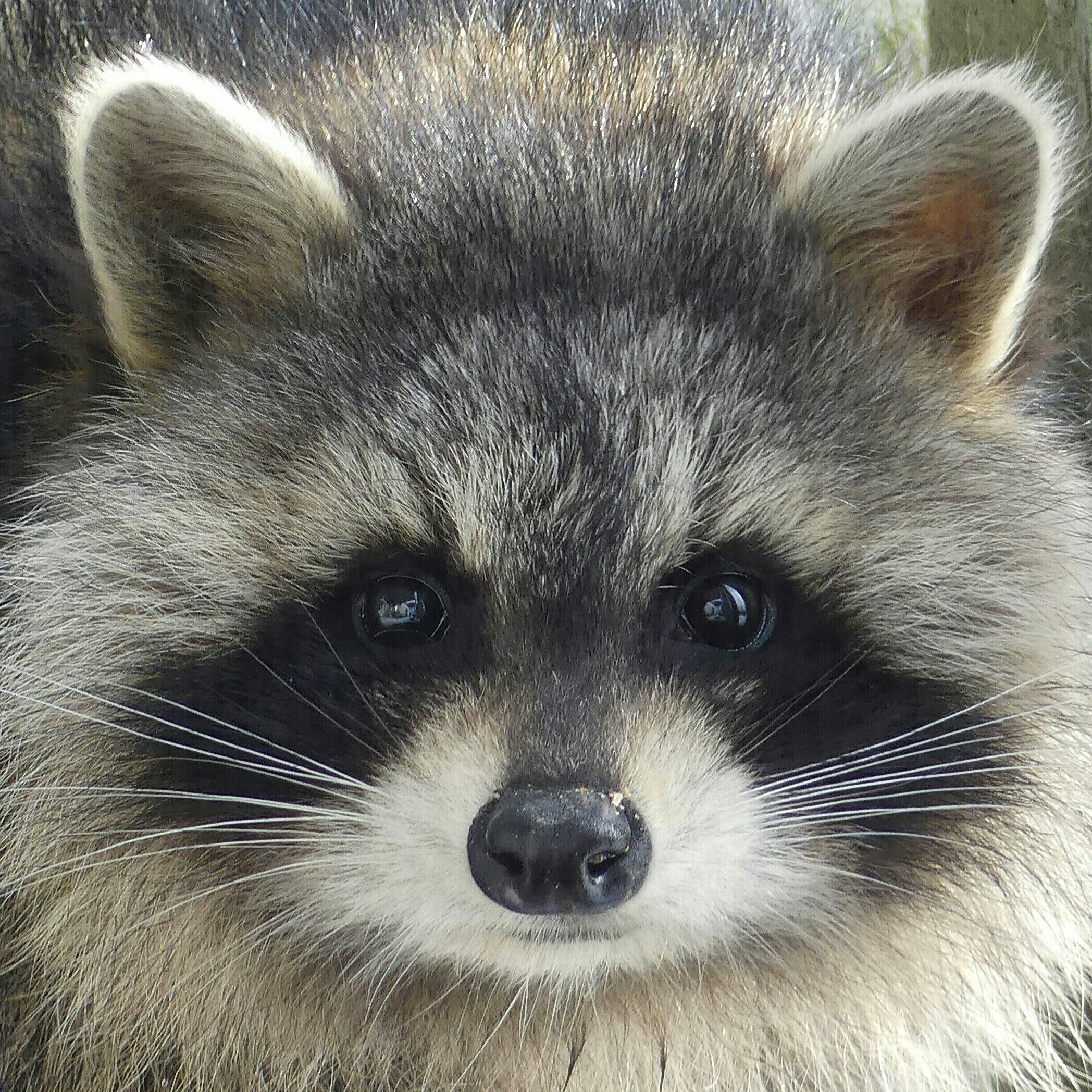
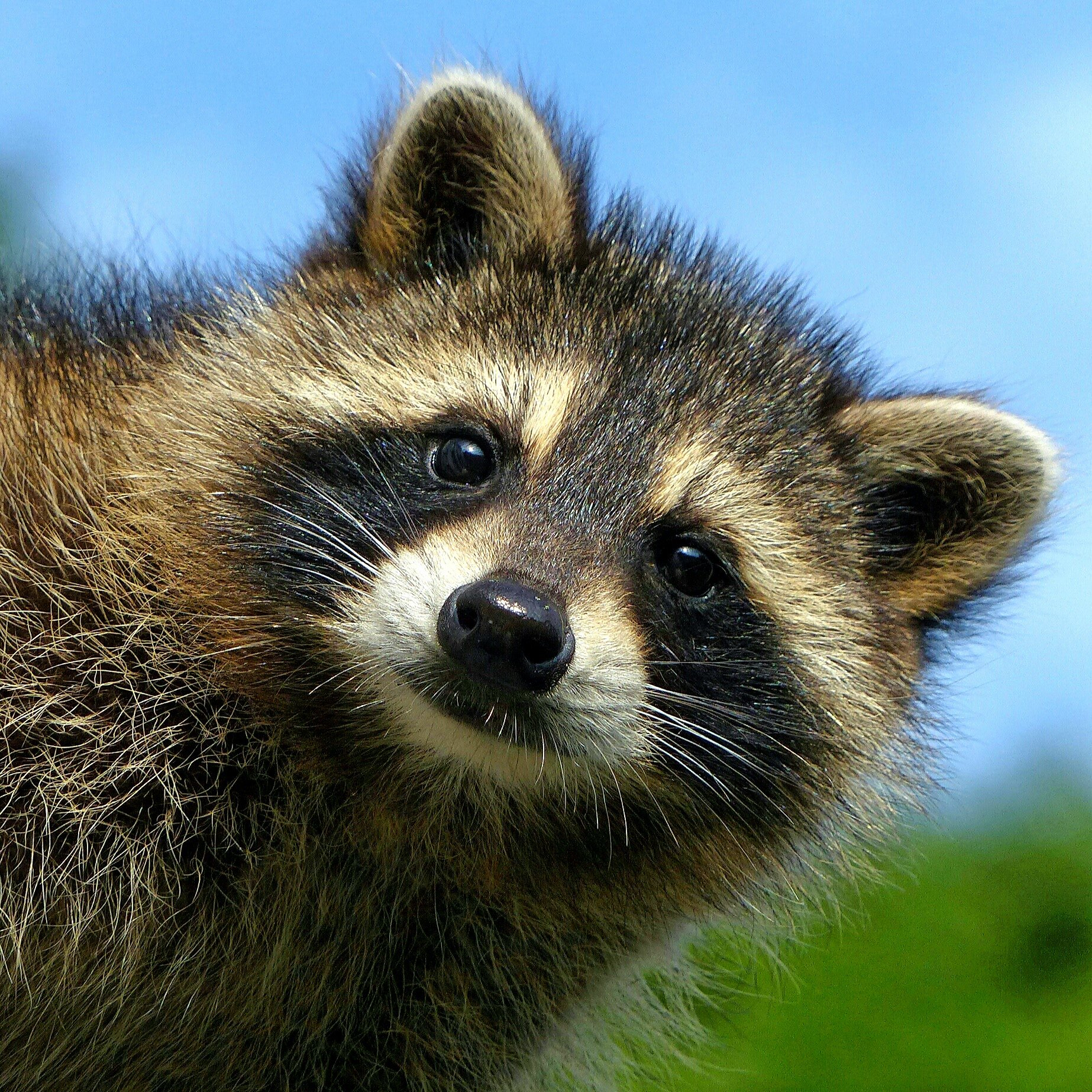
An early springtime visitor to our bird feeders is a raccoon that spends the winter, in the shelter of a tree, in the woods behind our home. She will live off stored body fat for most of the winter, however, milder temperatures in late March or early April will arouse her and she may visit our balcony in search of food and water. We have a heated birdbath which the birds and squirrels use throughout the winter months. I can tell when the raccoon has been to the birdbath because she is not a tidy visitor. She will have mated in January or February and her gestation time is about sixty-three days. She will give birth to as many as three or four kits or cubs. They grow very quickly and begin to resemble the adult in about two weeks. They have the same “bandit masked” face and bushy banded tail with dark brown and tan stripes as their mother. At three months old they can find and eat their own food and will forage for food with their mother. The male raccoon does not participate in the raising of the kits. They will stay with their mother throughout the summer and fall and may even den up together their first winter.
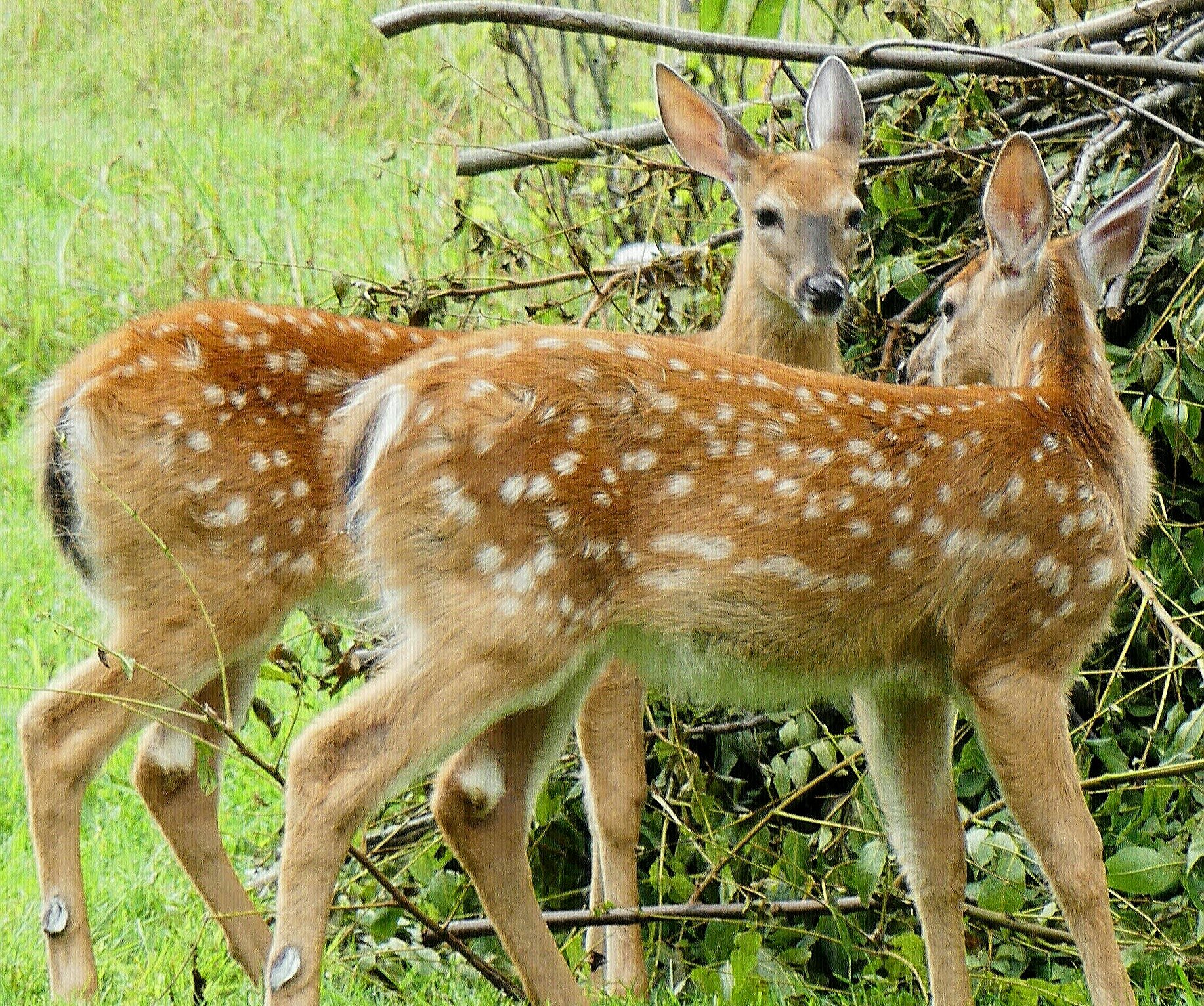
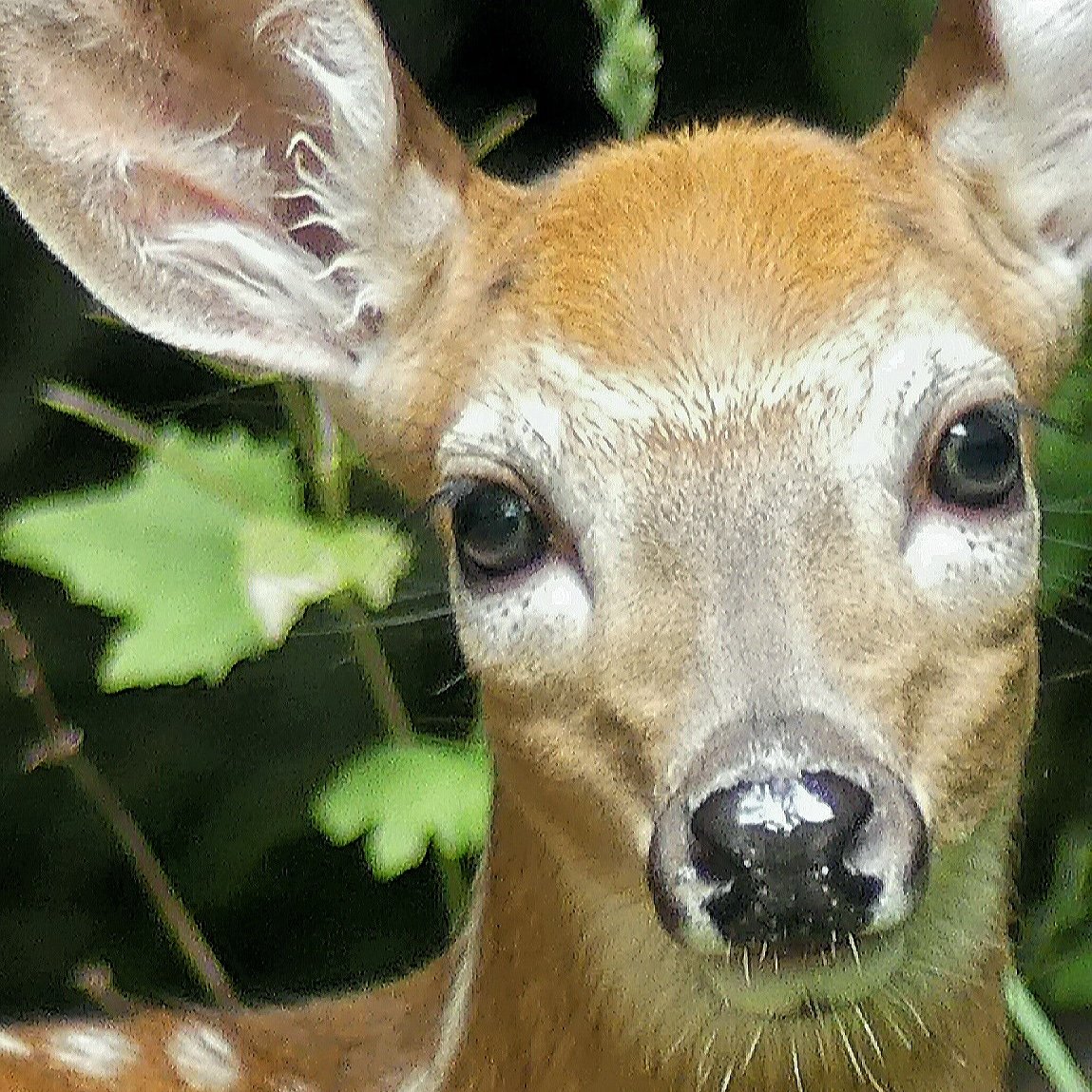
If you see a white-tailed deer this time of year, you may notice that they have now begun to molt from their dark brown winter hair into their lighter rusty-colored hair which they will keep throughout the spring and summer months. The white-tailed doe will usually give birth to a fawn or occasionally twin fawns or even triplet fawns sometime within the last week of May or the first week of June. The deer have been browsing on bark, shrubs, lichens, and needle leaf boughs of conifers throughout the winter. The now seasonal change of their diet requires the rumen, the first of their four-chambered stomach, where plant-digesting microbes attack the cellulose of “winter foods” before it enters the second stomach chamber; to now change to be able to process grasses and herbaceous plants. The newly born fawn or fawns will nurse from their mother for several days and then they gradually begin to eat what she eats. She will lick each type of plant that they can eat without harm. This way they will learn which plants they may safely consume. If during their first few weeks of life she senses a threat to herself or her fawn she will signal it to lie down immediately. She will then call attention to herself distracting a potential predator. The fawn is born without a scent and its camouflaging hairs and lack of smell makes the fawn visually and odor-free to most predators.
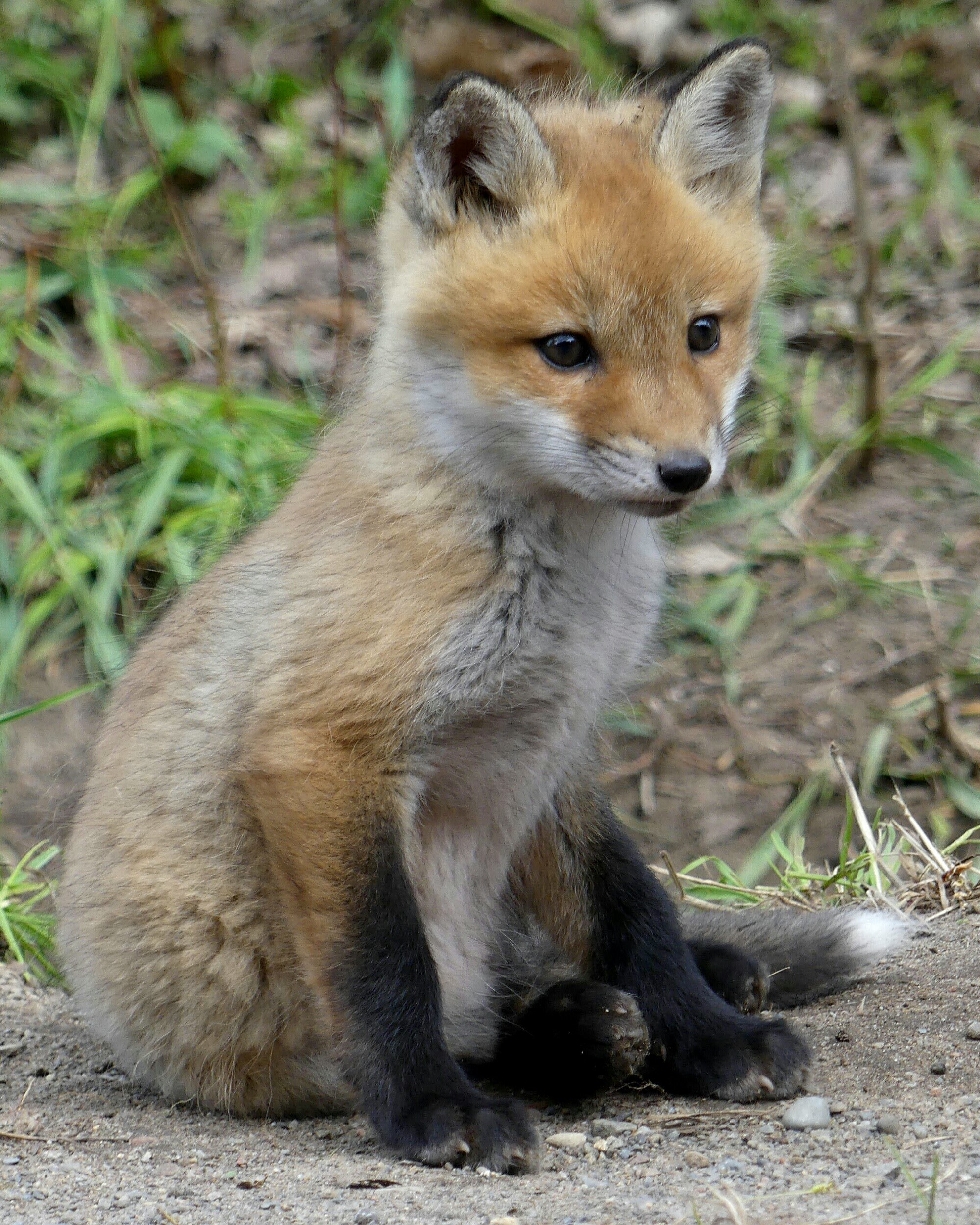
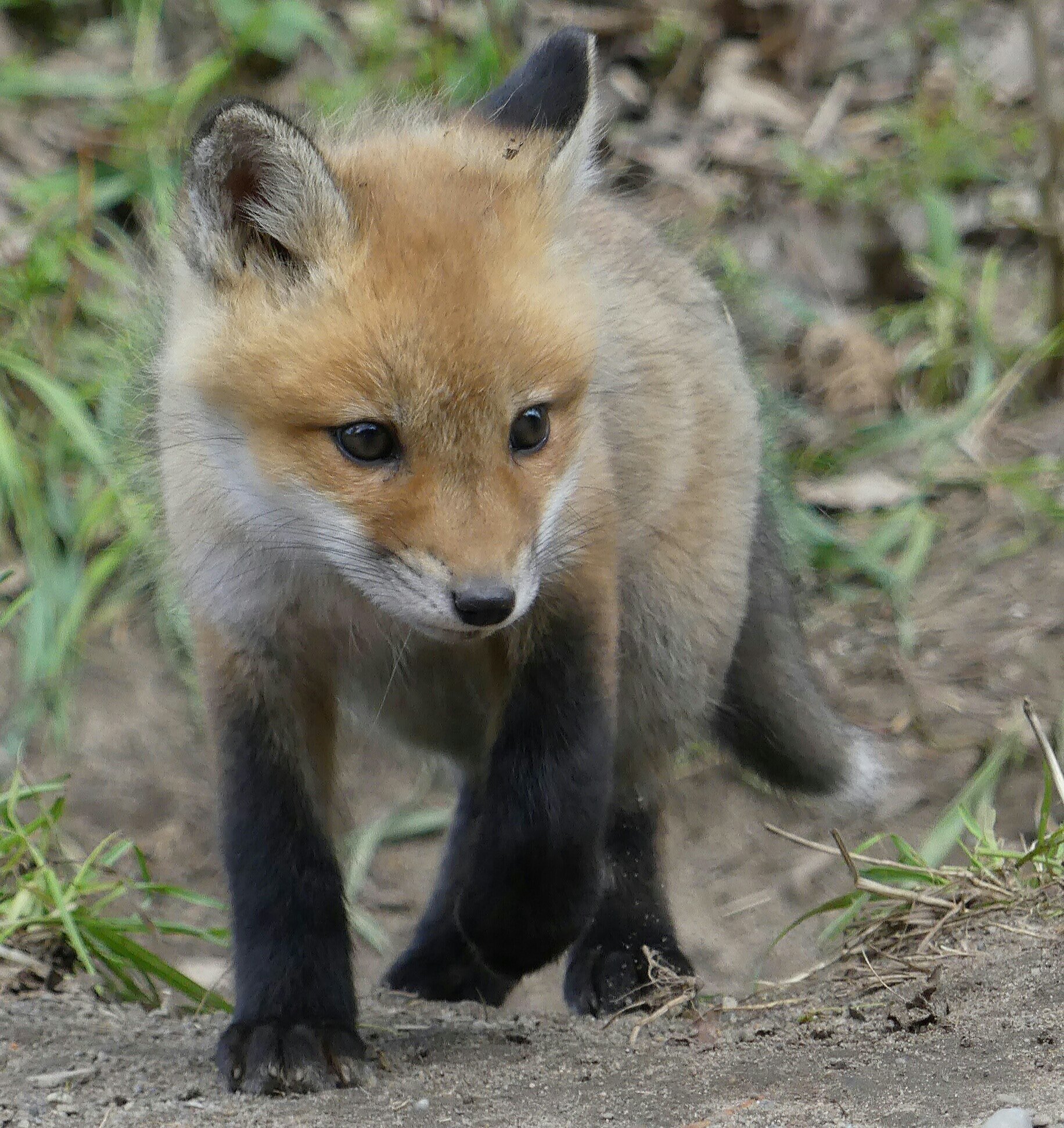
Another mammal that you may encounter while hiking, biking, or driving might be a Red Fox. Late December through early March is the breeding season for the red fox. You may come across a red fox at any time during the winter months as they do not hibernate and are active throughout the winter months. Foxes both male and female will sleep on the ground, usually under a conifer tree with their bushy tails wrapped around them for warmth. Fox dens are only used by the female fox to give birth and raise the kits that will be born between March and May. A fox den may be found in a field, the woods, within elevated banks of streams, or even culverts, most often away from human habitat. The den is kept clean of fecal matter and free of food remains, but bones, scat, and food remains may be found at the den entrance. The gestation for fox females is about fifty-two days and she only gives birth to one litter a year. Five kits are the average number, but she may have as many as ten. The kits are born with their eyes closed and are covered with a fine layer of fur. Within eight to twelve days their eyes will open. They begin walking at three weeks and can leave the den at four to six weeks. The female will nurse them and groom them, and the male will bring food to the den for the first couple of weeks. The kits begin to establish dominance at about twenty-five days. The largest kit either male or female is the “top dog”. After a hierarchy is established they begin to play, explore and hunt. At five weeks their fur is sandy reddish-brown and at fourteen weeks they resemble the adults and are fully grown at six months. An immature fox can breed at ten months old.
I was fortunate to see a couple of fox kits this past week. Their den was in a culvert under a driveway and close to the road. It is a rural area, but it is fairly well-traveled. Hopefully, drivers will be cautious and they will be safe. I pulled off the road to observe the two that were going into and out of the den. They were very curious and seem to have no fear. I only stayed long enough to take a few photos and on my return trip didn’t see either of them. I hope that you will also have an opportunity to see and perhaps photograph some of these amazing mammals… where you wander too.
 As a Professional Nature Photographer, Naturalist, and Outdoor Educator, Joan Herrmann has been teaching and doing programs for Schools, Garden Clubs, Libraries, and Nature Centers, about 38 years. After moving from the Rochester area in 1995 she began her Photography business, Essence of Nature, and also became a co-owner of The Artworks in Old Forge, New York. As a docent at Munson, Williams, Proctor Arts Institute, in Utica, New York she has been educating children and adults, for nineteen years.
In 2007 she began working with the Black River Outdoor Educational Program (BROEP) and in 2013 and 2014 did a week-long summer program at BROEP in conjunction with Mohawk Valley Community College (MVCC). Using her love of both nature and photography she created a Flora/Fauna outdoor educational program teaching students (ages 6 to 14) the joys of nature and creative photography skills.
Joan’s love of nature has been a lifelong study of Birds, Wildflowers, Mosses, Ferns, Trees, Amphibians, Reptiles, Grasses, Insects, Spiders, Tracks, Scat, and Galls. She has assisted in the cataloging of all trails used by the hiking Coaches and photographed and identified seasonal Flora.
Since October 2016 she has been writing a bimonthly nature column with Adirondack Express Newspaper. In October of 2019, she began a bi-monthly column with My Little Falls Newspaper. You may reach her at jmhphoto8442@gmail.com
Thank you for another great article. Love the learning by photography and brief factual notes. Joan is a wonderful photographer, and her knowledge f animals, plants and nature is marvelous. Thank you!